
Best Casino in Canberra: What to Know Before You Visit
Table of Contents
- What Makes Canberra’s Casino Scene Unique
- Staying at Casino‑Affiliated Hotels in Canberra
- Accommodation Near the Casino: Options for Visitors
- Casino Gaming Facilities: Poker Rooms, Gyms and Tournaments
- Buffet, Breakfast and Job Opportunities at the Casino
- Restaurant Choices Inside and Around the Casino
- Wellness and Spa Services at the Casino Complex
- Parking and Access: Getting to the Casino
- Food Courts and Pool Areas: Casual Gaming Spots
- Casino Opening Hours, Developments and Future Plans
What Makes Canberra’s Casino Scene Unique
I spent a solid chunk of one Saturday afternoon in Canberra trying to figure out who actually regulates gambling in this country, and I came out the other side more confused than when I started. There’s no single body sitting at the top of it all. That’s the first thing to get straight before you even think about ranking anything in this space: Australia runs gambling regulation across both state/territory and federal levels, and nobody hands you a neat org chart explaining how it fits together.
At the federal level, the Australian Communications and Media Authority enforces the Interactive Gambling Act 2001. But ACMA doesn’t do the licensing legwork for most of the operators you’d actually recognise. That job, in practice, falls to the Northern Territory Racing Commission, which has become something like Australia’s de-facto authority for online gambling — not because it was designed that way, but because it licenses the bulk of the national online bookmakers, and the tax rate up there is friendlier than elsewhere. Operators go where the maths works. It’s not a conspiracy, it’s just accounting.
Canberra sits inside this patchwork like every other Australian city — there’s no separate ACT-only gambling universe, no local carve-out that makes the rules different once you cross into the territory. What changes the picture isn’t geography, it’s how you weigh up options once you’re looking at a "best casino" list.
Why rankings shift week to week
Here’s something I wish someone had told me earlier: any list claiming to rank casinos “for 2026” and staying static all year is either lazy or lying. The rankings behind a page like this one get recalculated every week, using a weighted formula — not a gut feeling, not a sponsored slot. That’s worth knowing because it means a casino sitting at number one in January has to keep earning it in February.

The formula itself isn’t a mystery box either. It leans heavily on bonus generosity, payout reliability, and how broad the game library actually is, with customer support responsiveness and real user feedback filling out the rest. Nobody pays to sit higher on that list — that’s not a courtesy, that’s a hard rule. The moment money changes hands for placement, the whole exercise turns into an ad, not a ranking.
The tax angle nobody expects
If you win, you keep it. Gambling winnings aren’t taxed in Australia, full stop. I remember genuinely double-checking this the first time I had a decent withdrawal land, half expecting the ATO to want a cut. They don’t. That’s a nice contrast to how heavily the industry itself gets taxed at the operator level — the money gets clawed back upstream, not from your pocket.
What this means before you read further
None of this is abstract housekeeping. It’s the lens for everything else on this page — the hotels, the poker rooms, the parking, the opening hours. Whatever gets described as "the best" further down was measured against that weekly-recalculated formula, not picked because it sounded impressive in a press release.
A quick note on scope, because it trips people up constantly: this framework governs how operators and venues get assessed and licensed. It says nothing about a resident’s own legal standing to play — that’s a separate question, and one worth being precise about rather than glossing over with the word "usually."
So when you see "best casino in Canberra 2026" thrown around, treat it the way I eventually learned to: as a snapshot, not a verdict carved in stone. Check when it was last updated. Check what it’s actually measuring. Everything past this point on the page is built on that foundation.
Staying at Casino‑Affiliated Hotels in Canberra
Since online casinos operating in Australia aren’t locally licensed, you’ll want to weigh bonus terms, payout speed, and deposit requirements carefully before choosing where to play in 2026.
Bonus: up to A$750 + 50 jackpot spins, 35x wagering · Payout speed: crypto ~90 minutes, fiat 1-5 days · Min. deposit: A$30 Offers up to A$750 plus 50 jackpot spins with 35x wagering, and stands out for fast crypto payouts around 90 minutes alongside a A$30 minimum deposit.
License: Curacao eGaming OGL/2023/174/0082 (Dama N.V.) · Bonus: up to A$10,000 + 500 free spins across 4 deposits · Min. deposit: A$15 Licensed under Curacao eGaming via Dama N.V., this operator offers a substantial welcome package of up to A$10,000 plus 500 free spins spread across four deposits, with a low A$15 minimum deposit.
License: Curacao · Bonus: 100% up to A$500 + 200 free spins, 10x wagering · Payout speed: crypto 30-60 minutes, fiat 1-5 days · Min. deposit: A$10 Curacao-licensed with a 100% bonus up to A$500 plus 200 free spins at a manageable 10x wagering requirement, backed by quick crypto payouts within 30-60 minutes and a low A$10 minimum deposit.
Bonus: 240% up to A$4,100 + 300 free spins Features a notably high 240% bonus up to A$4,100 plus 300 free spins, making it a pick for players chasing a large percentage match.
Bonus: up to A$7,500 + 550 free spins across 10 deposits, 50x wagering · Payout speed: crypto under 1 hour, PayID 1-3 business days · Min. deposit: A$20 (A$30 to qualify for the bonus) Provides a large bonus package up to A$7,500 plus 550 free spins across ten deposits, with fast crypto withdrawals under an hour and PayID payouts within a few business days.
License: Curacao Gaming Control Board OGL/2023/176/0095 (Hollycorn N.V.) · Bonus: up to A$11,000 + 300 free spins (code NEO100) Licensed by the Curacao Gaming Control Board through Hollycorn N.V., offering up to A$11,000 plus 300 free spins redeemable with a bonus code.
License: Tobique Gaming Commission · Bonus: up to A$8,000 + 400 free spins across 4 deposits · Payout speed: crypto ~10-15 minutes, fiat 1-5 days · Min. deposit: A$30 Licensed by the Tobique Gaming Commission, this operator offers up to A$8,000 plus 400 free spins across four deposits, with notably fast crypto payouts in as little as 10-15 minutes.
License: Curacao eGaming (Dama N.V.) · Bonus: up to A$10,000 + 180 free spins, 40x wagering Operating under a Curacao eGaming license via Dama N.V., it offers up to A$10,000 plus 180 free spins with a 40x wagering requirement.
License: Curacao Gaming Authority (Jumpman Gaming Ltd) · Bonus: up to A$6,600 + up to 250 free spins across 4 deposits Licensed by the Curacao Gaming Authority under Jumpman Gaming Ltd, offering up to A$6,600 plus up to 250 free spins spread across four deposits.
License: Curacao eGaming (Roby Games Ltd) · Bonus: 100% up to A$750 + 200 free spins Licensed through Curacao eGaming via Roby Games Ltd, providing a 100% match bonus up to A$750 plus 200 free spins.
I used to think a hotel "attached to a casino" just meant a hotel with a shorter walk to the pokies. That’s part of it, but it’s not the whole story, and it took a couple of stays to work out what actually changes when the property is run by the same operator as the gaming floor downstairs.
The obvious difference is layout. A casino-affiliated hotel is built around the gaming floor, not next to it. Lifts open near the tables, the reception desk sits close enough that you can hear the ambient noise from the floor if the doors swing open at the wrong moment, and the whole ground level is designed to keep you moving between the room and the games without ever really leaving the building. A generic city hotel doesn’t do this — it’s built around getting you out the door to wherever you’re actually going. Here, the building itself is the destination.
Built around the gaming floor, offers quick access and loyalty perks, but may have noise and a casino‑centric atmosphere.
Separate from the casino, quieter and no built‑in perks, may require extra travel to the gaming floor.
The second difference is who these places are built for. Given that 72.8% of Australian adults gambled in some form over a twelve-month stretch, it’s not surprising that "casino hotel" has become a normal category rather than a niche one — plenty of the people booking these rooms aren’t high rollers, they’re just visiting Canberra and figured staying where the action is saves them a taxi fare. That’s a fair reason to book one. Just go in knowing the pitch is convenience, not luxury, even if the marketing leans hard on the second word.
What you actually get
Rooms in these properties tend to be functional rather than remarkable — clean, modern enough, usually with the kind of soundproofing that suggests the builders knew exactly what noise they were dealing with downstairs. Where they earn their keep is in the extras bundled into a stay: guests often get faster access to loyalty program perks, priority seating at in-house restaurants during busy periods, and sometimes discounted rates tied to gaming activity. None of that is guaranteed to appear on every booking, and I’d treat any "free upgrade" language the same way I treat a "free" bet — check what triggers it before you assume it’s automatic.

One thing worth saying plainly: you need to be 18 to access any casino offers, and that applies to room deals bundled with gaming credits or vouchers just as much as it applies to the floor itself. If a package looks aimed at getting a birthday or ID checked at check-in, that’s the law doing its job, not the hotel being difficult.
Booking direct vs booking through a travel site
I’ve done both. Booking direct through the casino’s own hotel page sometimes unlocks small perks — a late checkout, a dining credit, priority on room requests — that don’t show up when you book the same room through a third-party travel platform. The trade-off is that direct rates aren’t always the cheapest on paper; travel sites run price wars the casino doesn’t always bother matching. My rule now: check both, and if the difference is small, take the direct booking for the extras.
- Compare both direct and travel site rates.
- Look for extra perks like late checkout when booking direct.
- Assume direct booking is always cheaper.
- Ignore possible higher price of direct rates.
Noise, smoke and getting some actual sleep
Here’s the thing nobody puts on the hotel website. Rooms closest to the gaming floor or the main lifts can carry noise later into the night than you’d expect from a place charging hotel rates. If you’re travelling for the casino experience, that might not bother you. If you’re travelling for a wedding, a conference, or just need eight hours before a 7am flight out of Canberra, ask specifically for a room away from the floor and the lift bank when you book. Staff will usually accommodate the request if you ask early — they clearly get it a lot.
Who this actually suits
- Suits you if: you want zero commute between your room and the tables, you’re attending an event tied to the venue, or you’re already planning to spend most of your evening downstairs anyway.
- Doesn’t suit you if: you want quiet, you’re travelling with young kids, or you’d rather your accommodation not double as a walking advertisement for the gaming floor every time you cross the lobby.
Neither answer is wrong. It’s just worth deciding which one you are before you book, rather than after you’ve heard the floor noise at midnight.
Accommodation Near the Casino: Options for Visitors
Not everyone wants to sleep where they gamble. I get it — I used to book the room attached to the tables because it felt convenient, and then I’d wake up at 3am, walk past the same machines I’d been feeding the night before, and regret the whole arrangement. These days I stay a short walk or a quick drive away, and honestly the trip home feels more like a decision than a stumble.
Canberra’s casino sits close enough to the city centre that "nearby" actually means something here — you’re not looking at a taxi ride to civilisation. Budget motels, mid-range hotel chains, and a handful of serviced apartments all sit within easy reach, and most of them cost less per night than the casino-branded rooms simply because they’re not selling you the view.
What you’re choosing between
- Chain hotels a few streets over — predictable rooms, predictable breakfast, no casino branding in the lobby. Good if you want to forget where you are for eight hours.
- Serviced apartments — useful if you’re staying more than a night or two, since you get a kitchen and don’t need to eat out for every meal.
- Budget motels further out — cheaper, but you’ll want a car or be comfortable with a longer walk.
None of these will hand you a "loyalty perk" the way the affiliated hotels do, and none of them will nudge you back toward the floor every time you cross the lobby. That’s the actual trade-off: slightly less convenience for a bit more distance from temptation.
Why the distance matters more than it sounds
Per‑capita gambling losses in Australia sat around AUD 1,200 in FY 2020–21, against bets of roughly AUD 9,885 per person. Those aren’t Canberra-specific numbers, but they’re a decent reminder of how a "quick session" adds up over a year without anyone noticing it happening. Nationally, gambling losses hit $31.5 billion in 2022–23 — a figure built entirely out of small, forgettable nights. Staying somewhere that isn’t fifteen steps from a poker machine doesn’t fix anything on its own, but it does add a bit of friction, and friction is underrated. You have to actually decide to go back, rather than just drifting there because the lift opens onto the gaming floor.
Booking practically
If proximity is your main concern, look at listed distance in minutes rather than kilometres — Canberra’s layout means a short drive can feel longer than it reads on a map, especially around event nights when parking near the casino fills up. Ask whether breakfast is included before you assume it is; a lot of the cheaper options treat it as an add-on rather than a given. And if you’re coming for a specific promotion or event at the casino, check the dates against your booking window first — casino-run offers and hotel availability don’t always line up, and I’ve turned up for a promotion that had quietly ended the week before.
None of this is exciting advice. It’s just the boring version of "book somewhere else and walk over," which, in my experience, has saved me more money than any actual bet I’ve placed there. The room doesn’t win or lose you anything. Where you put it just changes how easy it is to keep playing after you meant to stop.
Proximity Risk
Staying just steps from the casino can increase impulse gambling; consider a hotel further away to add friction.
Casino Gaming Facilities: Poker Rooms, Gyms and Tournaments
Walk past the pokies floor and you’ll find the part of the building that actually made me come back more than once: the poker room. It’s not flashy, and it doesn’t need to be. Felt tables, a card room that runs its own rhythm separate from the machine noise outside, and a tournament board that’s usually worth checking before you plan your evening around it.
I say "usually" because schedules shift week to week — cash games run most nights, and tournament structures rotate depending on turnout and the calendar. If you’re chasing a specific event, ring ahead or check the board when you walk in rather than trusting whatever you read online, including this. What I can tell you from sitting at those tables enough times: the room fills up on weekends, thins out midweek, and the regulars know each other by first name. That’s the part no schedule tells you.
What the poker room actually offers
- Cash tables running most evenings, with buy-in levels that vary by table
- Scheduled tournaments, generally weighted toward weekends
- A separate space from the main gaming floor — quieter, less blinking light, more people actually talking to each other
Given that close to two in five Australian adults gamble at least once a week, it’s no surprise a room like this stays busy without needing much marketing. People show up because it’s routine, not because of a "biggest jackpot in town" banner.
The gym-style area
Calling it a "gym" is generous. It’s more of a fitness room attached to the hotel side of the complex — treadmills, a few weights, enough to justify the trip if you’re staying over and don’t want to skip a workout because you were at the tables until 1am. It’s not a wellness retreat, and it’s not meant to be — that’s a different part of the building entirely, with its own thing going on. This is functional, hotel-guest-facing, and exactly what you’d expect from a casino that also runs as an accommodation venue.
The sports bar
Attached near the gaming floor, the sports bar is where a chunk of the crowd ends up between poker sessions or after cashing out — screens on, drinks flowing, a spot to decompress that isn’t the pokies floor and isn’t your hotel room. It’s casual. Nobody’s dressed up. If you want a beer and a game on screen without leaving the building, this is it.
A word on how any of this gets ranked
I get asked sometimes why one casino gets called "better" than another, and the honest answer is that reliable rankings — the kind worth trusting — don’t just eyeball the poker room and call it a day. A proper weighting looks at things like bonus generosity, how fast payouts actually clear, how broad the game library is, how responsive support is when something goes wrong, and what actual users say after the fact. None of that shows up in a walkthrough of the card room, but it’s the difference between "looks nice" and "worth your time."
For a bricks-and-mortar room like this, that framework doesn’t fully apply — there’s no bonus to check, no cashout speed to time. What carries over is the instinct behind it: judge the thing by what it does consistently, not by how it photographs.
Poker Room Schedule
The poker room runs cash games most evenings with varying buy‑in levels and weekend tournaments. Check the board on arrival or call ahead for the latest schedule, as timings shift week to week.
Additional tip: regulars often know the best tables, so arriving early can secure a spot.
The honest version
None of these facilities are trying to be Vegas. The poker room is solid, the gym is functional, the sports bar does its job. If you’re after a proper tournament circuit or a five-star fitness centre, you’ll be disappointed. If you want a decent card game, a quick workout before or after, and a beer while the game’s on — it covers that without pretending to be more.
Buffet, Breakfast and Job Opportunities at the Casino
I used to think "buffet" meant one thing everywhere: a warming tray of the same six dishes since 1998. Canberra’s version isn’t that, but I still went in expecting the worst and left annoyed at myself for being wrong.
Breakfast, honestly assessed
Breakfast service at the casino runs early enough that you can eat before heading into the pokies floor, which is either sensible or a bad sign depending on your relationship with the place. What you get is a standard hot-and-cold spread — the kind you’d find at any mid-range hotel restaurant — not a themed "casino resort" experience with fireworks and a live omelette station. If you’re picturing something more elaborate because the word "resort" got attached to the property somewhere in its marketing, drop that expectation now. It’s breakfast. It’s fine. It gets you through to noon.
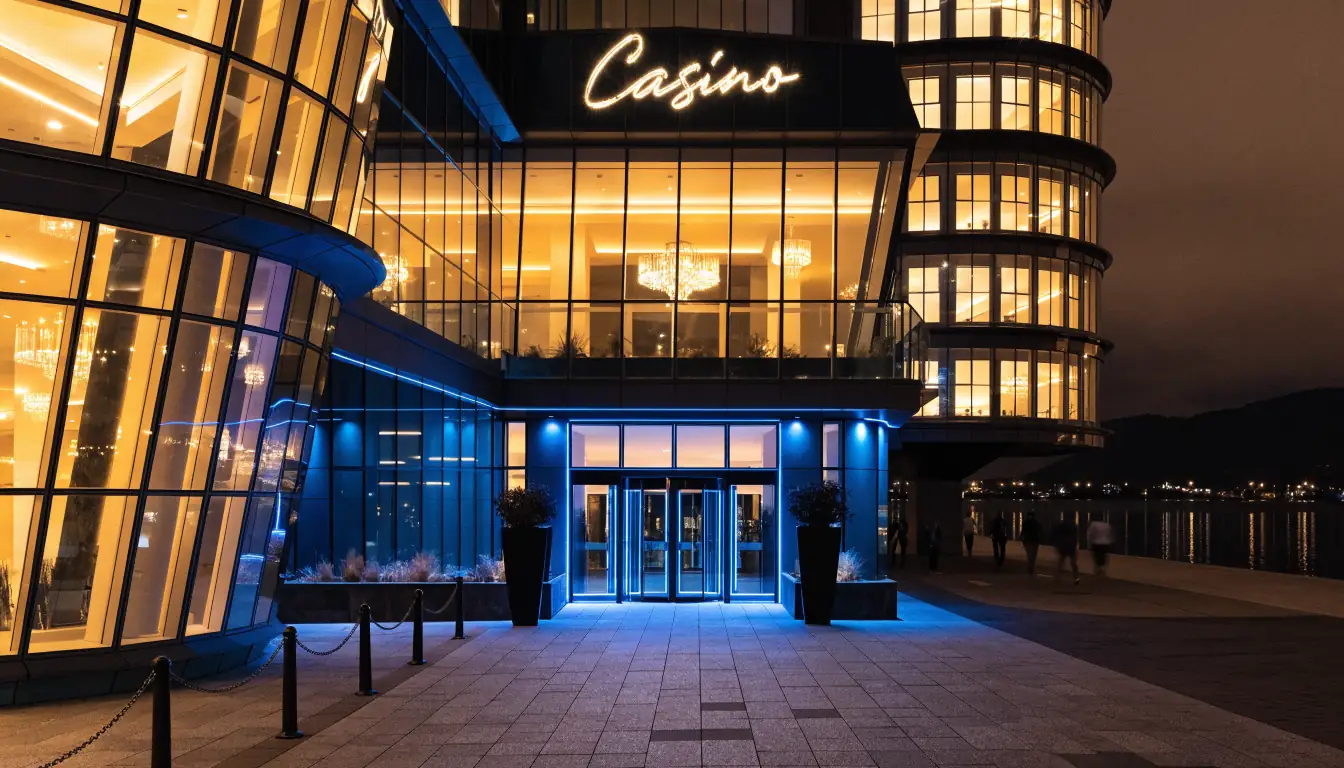
The buffet itself
Same story, bigger scale. The buffet rotates through the usual categories — carvery, seafood on busier nights, a dessert section that’s better than it needs to be — but I wouldn’t book a trip around it. It’s the kind of meal you have because you’re already there, not a destination in its own right. Prices weren’t something I tracked closely enough to quote with confidence, and rather than guess at a number, I’ll just say: ask at the door, because I’m not going to make one up to sound helpful.
One thing worth knowing if you’re travelling with anyone under 18 — gambling floors and the areas around them aren’t a casual family stop. Close to half of 18-19 year olds in Australia report gambling in some form, and close to a third of those aged 12-17 do too, numbers that make it pretty clear this isn’t a fringe issue confined to older punters. The buffet and breakfast rooms themselves are open to families, but the property sits inside a gaming venue, and that context doesn’t disappear just because you’re there for pancakes.
Working there
I looked into the jobs side out of genuine curiosity, not because I applied — full disclosure. Casino venues in Canberra, like most large gaming and hospitality complexes, run ongoing recruitment across a fairly wide spread of roles: gaming attendants, dealers, food and beverage staff, kitchen positions, security, and back-of-house hospitality work tied to the buffet and restaurant operations. If you’re after specifics — pay, shift patterns, current openings — that’s not something published in a way I can verify here, so I won’t pretend otherwise. Check the venue’s own careers page directly; that’s the only reliable source for what’s actually open right now.
Interactive Gambling Act
Australian federal legislation that bans online casino gambling for residents while allowing regulated land‑based gambling activities.
What I can say from watching the floor over a few visits: front-of-house buffet and breakfast staff turnover seemed steady rather than high, which usually says something decent about how a workplace treats people. Take that as an impression, not a guarantee.
A quick reality check
None of this — the buffet, the breakfast room, the job listings — changes what’s happening on the gaming floor a few metres away. Around 80,000 to 160,000 Australian adults deal with serious gambling problems at any given time. That’s not a reason to skip the eggs. It’s a reason to know where the free support numbers are posted before you sit down at a table, not after.
Restaurant Choices Inside and Around the Casino
First time I walked through Canberra’s casino floor looking for dinner, I expected the usual — a steakhouse with a name too fancy for what lands on the plate. What I found was more varied than that, and more mixed in quality, which is exactly what you’d expect from any casino restaurant lineup once you stop reading the marketing copy and start reading the actual menu.
Offers set menus and an extensive wine list, suited for special occasions or business meals.
Provides quick, affordable meals in jeans‑friendly setting, ideal for a break between gaming sessions.
Inside the complex, the split tends to run between a fine-dining room for the occasion crowd — anniversaries, birthdays, someone else’s expense account — and a more casual à la carte spot you can walk into in jeans without anyone blinking. The fine-dining side leans on set menus and a wine list built to match; the casual side does the job of feeding you between sessions at the tables without making you commit to a whole evening. If you’ve eaten at casino restaurants elsewhere, this pattern will feel familiar. Canberra doesn’t reinvent it, but it executes it competently enough that you’re not settling.
What surprised me more was outside the doors. Canberra isn’t a strip like some casino towns, so "nearby" here means a short walk or a quick drive rather than an escalator ride. Within that radius you’ll find:
- Asian cuisine spots — noodle bars and a couple of solid Chinese and Thai options, good for a fast meal before or after a session.
- Modern Australian cafés — the kind of places doing brunch-to-dinner menus, useful if you want something lighter than the casino’s own dining room.
- A rooftop bar with food service attached, less about the menu and more about the view over the city once the sun’s down — worth it once, not every visit.
- Casual pub-style eateries, the reliable fallback when you just want a parma and a beer and don’t care about ambience.
None of this is exotic. It’s a mid-sized capital’s dining scene sitting next to a casino, not a Vegas food hall. But that’s actually the point — you’re not locked into one dining room because you’re locked into the building. Step outside, and you’ve got options that don’t revolve around gaming at all.
One thing worth being honest about: none of this touches on playing online. Real-money online casino games aren’t legally offered to anyone in Australia — no domestically licensed operator exists, and it’s not something a business can get licensed for here. So whatever you’re doing at the tables or the poker room, it’s happening on-site, in person, in Canberra. The restaurant scene around the casino is real and walkable. The online equivalent, legally, isn’t there to compare it to.
Wellness and Spa Services at the Casino Complex
I’ll be honest, the first time I walked past the spa signage at the casino I assumed it was there to make the place look classier than it is — a bit of marble and eucalyptus smell to distract you before you lose money two floors down. I still think that’s partly true. But I went in anyway, mostly because I’d been up too late at the tables the night before and my back was staging a protest.
What you actually get is a fairly standard day-spa setup: massage rooms, a few treatment suites, the kind of quiet lighting that’s clearly designed to slow your pulse down after the noise of the gaming floor. It’s not a resort-level wellness retreat, and nobody’s pretending it is. Think of it as a decompression chamber between sessions rather than a destination in its own right.
What’s actually there
- Massage and body treatments, booked in advance if you want a decent time slot
- A relaxation lounge separate from the main casino noise
- Treatment rooms geared toward short visits — an hour, maybe less — rather than half-day pampering
If you’re coming to Canberra specifically for a spa holiday, this isn’t it. If you’re already there for the gaming floor and want somewhere to reset before or after, it does the job.
Dress code and access
Nobody’s asking for black tie to get a massage, but the general casino dress code still applies once you step back onto the main floor — so don’t expect to wander between the spa and the pokies in a robe. Bring normal clothes for the changeover.
A quick word on where this fits
The spa is genuinely separate from anything gambling-related — no offers tied to your play, no loyalty points for treatments, nothing that blurs the line between relaxation and the tables. That’s worth saying plainly, because a lot of people assume casino "extras" are all part of the same reward loop. This one isn’t.
Worth remembering, too: everything here is about the physical venue in Canberra. None of it touches online play. Under the Interactive Gambling Act — dated 1997 in some references, 2001 in others, and the sources genuinely disagree on which — offering online casino games to Australian residents isn’t permitted domestically. That’s a separate issue from a massage booking, but I mention it because people search "casino spa" and "casino games" in the same breath, and it’s easy to blur what’s legal where. Sports betting online is fine under state and territory licensing; casino-style games online are not offered legally from here, though playing at an offshore-licensed site isn’t itself illegal for the individual — the restriction sits on operators, not punters.
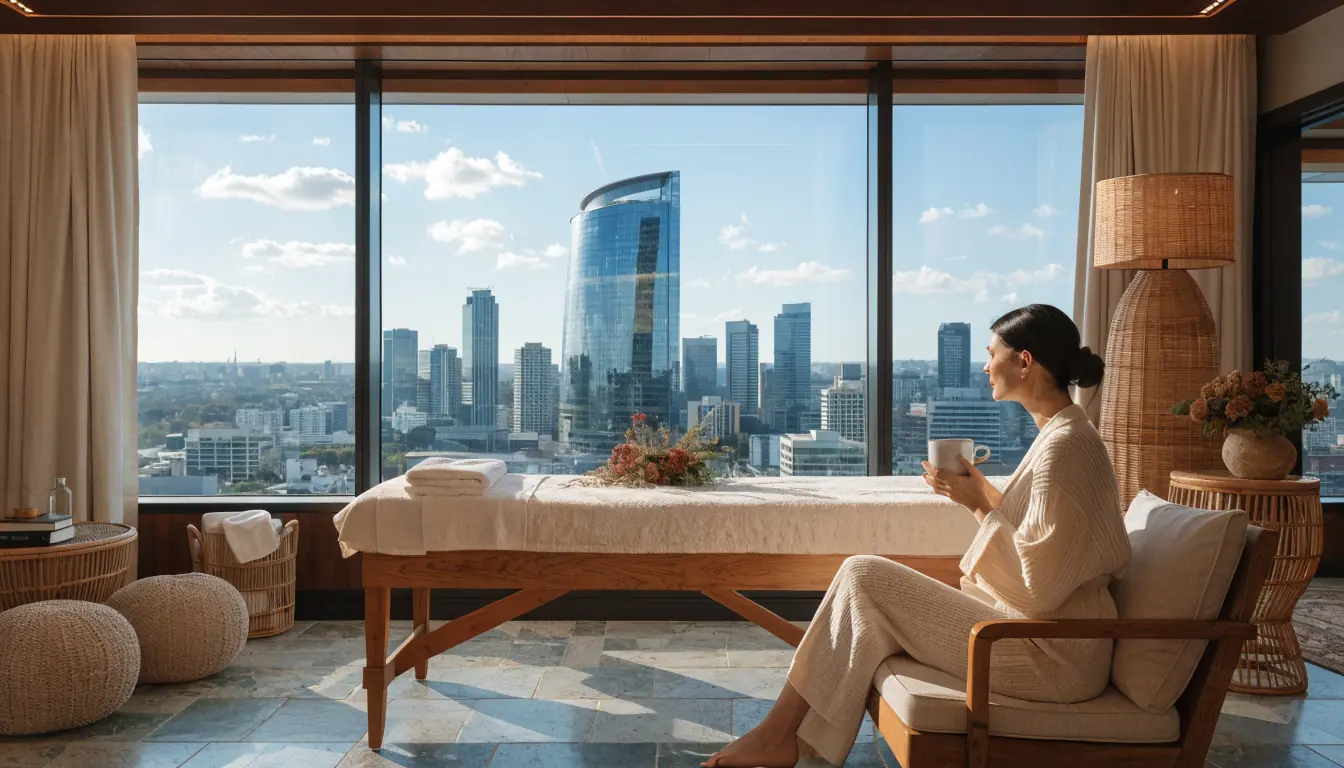
So: good for a knot in your shoulders after a long night at the tables. Not a reason to book the trip on its own.
Parking and Access: Getting to the Casino
First time I drove down to check out what’s supposedly the best casino in Canberra 2026 has to offer, I circled the block twice looking for street parking like an idiot before I noticed the car park entrance staring right at me. Lesson learned: look for the signage before you start improvising.
Getting there isn’t complicated. Canberra’s compact enough that most people either drive in from the suburbs or walk over if they’re staying nearby — I’ve covered the actual accommodation angle elsewhere, so I won’t repeat that here. What matters for this bit is just the practical stuff: where you leave the car, and how you get through the door without wasting twenty minutes.
Parking options
There’s on-site parking, which is the obvious move if you’re coming from further out. I won’t pretend I know the exact rates or bay counts — that’s the kind of thing that changes and I’d rather not guess. What I can tell you from experience is that arriving outside peak evening hours makes the whole process painless. Turn up on a Friday night and you’re competing with everyone else who had the same idea.
If you’re after something more low-effort, valet is usually the play. You hand over the keys, someone else deals with it, and you walk straight in instead of hunting for a spot. It costs you the convenience fee instead of the time — worth it if you’re dressed up and don’t want to be doing laps of a car park in decent shoes.
Arrive off‑peak to avoid parking crowds, consider valet for convenience, and choose the entrance closest to your destination to minimise walking.
Getting there without a car
Public transport works fine if you’re staying central. Canberra’s not a sprawling mess like Sydney, so a bus or a short taxi ride usually gets you close enough that the walk isn’t a chore. I’ve done both — driven in and taken transport — and honestly the transport option removes the whole parking headache entirely. No circling, no valet fee, no remembering where you left the car after a long night.
Rideshare drop-off is another one worth mentioning. Most places like this have a designated pickup and drop-off zone near the entrance, which beats getting dropped in the middle of a car park and walking the rest.
A word on why this actually matters
It’s easy to treat parking as an afterthought, but when you consider the numbers — Australians placed bets totalling $244.3 billion in 2022–23, with losses hitting $31.5 billion in the same period — you start to see how much traffic, human and vehicular, actually flows through venues like this. That’s not a small crowd showing up on weekends. Plan around it.
Quick access checklist
- Check which entrance lines up with where you’re parking or being dropped — the front isn’t always the closest door to where you want to be.
- Avoid arriving right at peak evening hours if you want an easy park.
- If you’re coming from outside Canberra, factor in that this is still a regional destination — routes in are straightforward, but give yourself buffer time on weekends.
- Walking or transport beats driving if you’re staying close by. Less hassle, no fees.
None of this is complicated stuff. It’s the kind of thing nobody tells you until you’ve already wasted half an hour figuring it out yourself. Sort your access plan before you go, not when you’re already circling the block.
Food Courts and Pool Areas: Casual Gaming Spots
Not every visit needs a booked table and a dress code. Some days you just want a quick bite between hands, and that’s what the food court style area is for. Grab a coffee, something cheap and hot, and head back to the floor without losing half an hour to a sit-down meal.
The pool tables sit in their own corner, away from the main gaming machines. It’s a place to kill time waiting for a poker seat to open up, or to cool off after a run of bad luck at the pokies. Nobody’s rushing you off the table, and nobody’s asking you to bet on the game either — a friendly cue sport break, nothing more.
Worth saying plainly: none of this casual space runs anything resembling an online casino product. Australia doesn’t licence that kind of operation domestically, and offering it would be illegal here — the food court and pool area are exactly what they look like, a snack stop and a place to shoot a few balls, not a gateway to anything digital.
Quick Refresh
Using the pool area offers a short break from the gaming floor, helping you reset before the next session.
If you’re the type who plays a bit, eats a bit, then plays again, this layout works better than it sounds. Casual by design. No pressure to commit to a full meal or a long session — just a corner to reset in before you go back to whatever table called you here in the first place.
Casino Opening Hours, Developments and Future Plans
I keep getting asked whether the place has "reopened" or changed hands again, and honestly the question makes sense — venues like this go through phases, get renovated, rebrand a wing, then everyone assumes something dramatic happened. Sometimes it’s just a new floor manager and a repainted entrance.
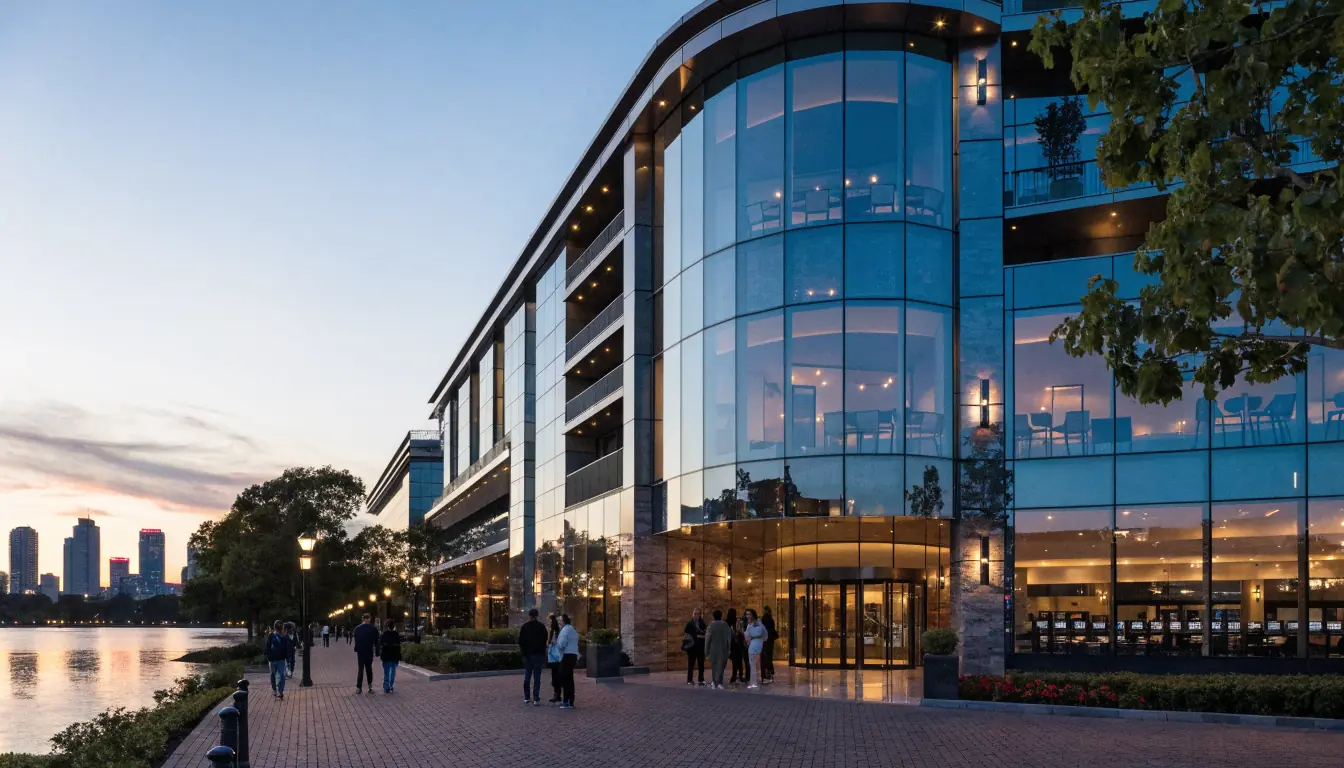
What I can tell you with confidence is what doesn’t change week to week: the building operates on a schedule built around steady footfall rather than clubbing-style peaks. Don’t expect a venue that opens at midnight and dies by 3am — it’s structured for a mix of daytime visitors, after-work regulars, and the tournament crowd covered earlier in the gaming section. If you’re planning a trip around a specific event, ring ahead or check the site directly before you book anything — hours around public holidays shift, and I’ve turned up once to find the poker room running a reduced schedule I hadn’t accounted for.
Why "developments" is a moving target
Physical venues update fixtures, staff, menus, even loyalty tiers on their own timeline, and none of that gets reported anywhere near as fast as it happens. If you’re searching for news about renovations or a change in ownership, the honest answer is that official sources don’t publish a running log of it — you’re better off treating anything you read online, including this, as a snapshot rather than a live feed.
How rankings around here actually move
This is where I can be specific, because it’s the one part of the picture that does update on a fixed clock. The rankings you’ll see comparing casino offers — whether it’s this venue’s affiliated online promotions or others in the region — get recalculated every week, not once a quarter, not "periodically." The formula behind that isn’t a mystery either:
| Factor | Weight |
|---|---|
| Bonus generosity | 30% |
| Payout reliability | 25% |
| Game library breadth | 20% |
| Customer support responsiveness | 15% |
| User-submitted feedback | 10% |
On top of that weighting, each individual listing gets scored separately on bonus transparency, cashout speed, customer care, and licensing integrity. I’ve watched an operator drop a few spots in a single week purely because payout speed slipped — no scandal, no announcement, just the numbers moving.
That’s worth knowing if you’re the type who bookmarks a "best of" page and trusts it six months later. Don’t. Whatever’s ranked highest today reflects last week’s data, not a permanent verdict.
Future plans — kept honest
I’d love to give you a firm answer on expansion plans, new gaming floors, or staffing pushes tied to future openings, but nobody’s publishing that timeline in a form I’d trust enough to repeat here. If you’re chasing employment opportunities, checking listings directly is more reliable than any secondhand summary. Same goes for entertainment calendars — venues update those closer to the date, and anything written months out is a guess dressed up as a fact.
Check current hours before you go. That’s the only future plan I’d actually bet on.
What are the key limits on providing services to customers?
Domestic operators cannot legally offer online casino games, poker, or in-play betting under the Interactive Gambling Act 2001, and live betting is restricted to phone only. You won’t find any domestically licensed real-money online casinos available to Australian players.
What security features must licensed casinos have?
Licensed casinos are scored on licensing integrity and must enforce a strict minimum age of 18 for anyone accessing gaming offers. The regulatory framework focuses on harm minimisation and public protection, though specific technical security features aren’t prescribed.
Can I play crypto casino games on my mobile device?
The Interactive Gambling Act 2001 prohibits offering online casino games domestically, so there are no licensed Australian crypto casinos. You can legally access offshore-licensed platforms on your mobile, as the law targets operators, not individual players.
What is the impact of gambling advertising on young Australians?
Around 30% of 12–17-year-olds and nearly 46% of 18–19-year-olds engage in gambling, indicating significant early exposure despite age restrictions. These figures suggest widespread reach of gambling messaging among young people.