Best Casino in Hobart: Poker, Dining and Visitor Guide
 Available in AU
Table of Contents
- Poker Options at Hobart Casinos
- Accommodation Near Hobart Casinos
- Hotel Choices for Casino Visitors
- Parking and Accessibility at Hobart Casino
- Contact Details and Customer Service
- Buffet, Dining, and Job Opportunities
- When and How Hobart Casino Opens
- Spa and Wellness Facilities
- Restaurant Selections Around the Casino
- Food Courts and Pool Areas
Poker Options at Hobart Casinos
I used to think a poker room was a poker room, wherever you found one. Then I sat down at a card table in Hobart on a Tuesday night and realised the whole rhythm of the place is different from the pokies floor two minutes away. Nobody’s chasing a spin. Everybody’s watching each other. It’s slower, quieter, and somehow more expensive if you don’t know what you’re doing.
What the poker room actually feels like
Walk past the gaming machines and the poker area has its own gravity. Fewer flashing lights, more people leaning back in chairs doing maths in their heads. If you’ve only ever played roulette or blackjack in Hobart, this is the one corner of the casino where you’re not playing against the house — you’re playing against the person across the table, and the casino just takes its cut for hosting the game. That changes how you should think about your bankroll before you sit down.
Cash games versus tournaments
The two formats aren’t interchangeable, and I learned that the expensive way.
- Cash games run continuously, and you can buy in or leave whenever you like. Good if you want to test a table for twenty minutes and walk if it’s not working for you.
- Tournaments have a set structure — you’re in until you bust or you make the money, and the blinds keep climbing whether your cards cooperate or not.
Since online casinos serving Hobart players operate under offshore licenses rather than local Tasmanian regulation, you’ll want to weigh bonus terms, payout speed, and deposit requirements carefully before choosing where to play.
Bonus: up to A$750 + 50 jackpot spins, 35x wagering · Payout speed: crypto ~90 minutes, fiat 1-5 days · Min. deposit: A$30 Offers a welcome package worth up to A$750 plus 50 jackpot spins with 35x wagering, and stands out for fast crypto payouts around 90 minutes alongside a low A$30 minimum deposit.
License: Curacao eGaming OGL/2023/174/0082 (Dama N.V.) · Bonus: up to A$10,000 + 500 free spins across 4 deposits · Min. deposit: A$15 Licensed under Curacao eGaming through Dama N.V., it backs a sizeable welcome offer of up to A$10,000 plus 500 free spins spread across four deposits, with an accessible A$15 minimum deposit.
License: Curacao · Bonus: 100% up to A$500 + 200 free spins, 10x wagering · Payout speed: crypto 30-60 minutes, fiat 1-5 days · Min. deposit: A$10 Curacao-licensed with a 100% match up to A$500 plus 200 free spins at a manageable 10x wagering requirement, and it pairs this with quick crypto withdrawals in the 30-60 minute range and a low A$10 minimum deposit.
Bonus: 240% up to A$4,100 + 300 free spins Notable for a large 240% match bonus worth up to A$4,100 alongside 300 free spins.
Bonus: up to A$7,500 + 550 free spins across 10 deposits, 50x wagering · Payout speed: crypto under 1 hour, PayID 1-3 business days · Min. deposit: A$20 (A$30 to qualify for the bonus) Provides an extensive bonus program of up to A$7,500 plus 550 free spins across ten deposits, with crypto withdrawals processed in under an hour and PayID payouts within a few business days.
License: Curacao Gaming Control Board OGL/2023/176/0095 (Hollycorn N.V.) · Bonus: up to A$11,000 + 300 free spins (code NEO100) Holds a Curacao Gaming Control Board license via Hollycorn N.V. and offers a substantial bonus of up to A$11,000 plus 300 free spins, redeemable with a specific promo code.
License: Tobique Gaming Commission · Bonus: up to A$8,000 + 400 free spins across 4 deposits · Payout speed: crypto ~10-15 minutes, fiat 1-5 days · Min. deposit: A$30 Operating under a Tobique Gaming Commission license, it offers up to A$8,000 plus 400 free spins across four deposits, with especially fast crypto payouts of around 10-15 minutes and a A$30 minimum deposit.
License: Curacao eGaming (Dama N.V.) · Bonus: up to A$10,000 + 180 free spins, 40x wagering Licensed via Curacao eGaming under Dama N.V., it features a bonus of up to A$10,000 plus 180 free spins, though wagering sits at a higher 40x.
License: Curacao Gaming Authority (Jumpman Gaming Ltd) · Bonus: up to A$6,600 + up to 250 free spins across 4 deposits Licensed by the Curacao Gaming Authority through Jumpman Gaming Ltd, it offers up to A$6,600 plus up to 250 free spins spread across four deposits.
License: Curacao eGaming (Roby Games Ltd) · Bonus: 100% up to A$750 + 200 free spins Licensed under Curacao eGaming via Roby Games Ltd, it provides a straightforward 100% match up to A$750 plus 200 free spins.
I’d sat down at a cash table thinking it was tournament pace and pushed too hard too early. Cost me most of a session before I understood the difference in tempo. If you’re new to a Hobart card room, ask the dealer which format is running before you buy in — it sounds obvious, but plenty of people don’t.
Sitting near the sports bar
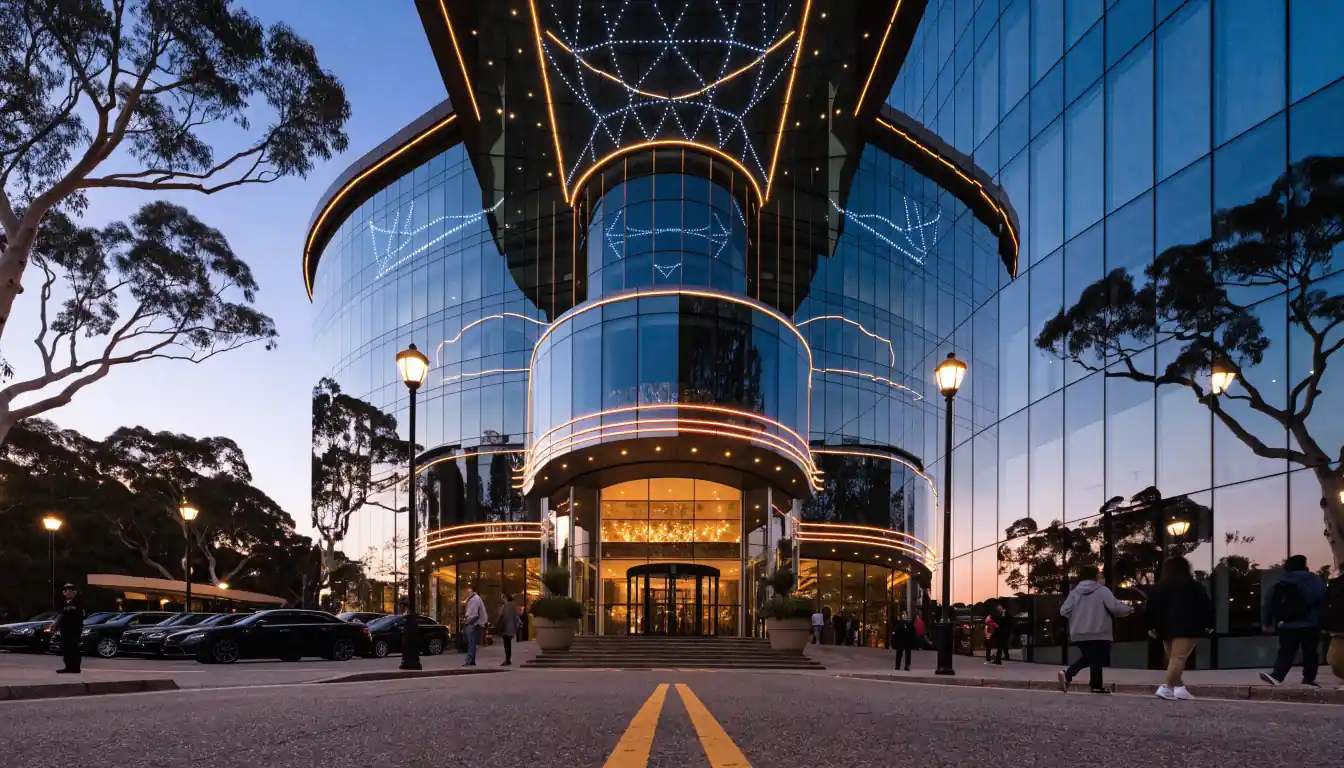
One thing that’s genuinely handy about the layout is having a sports bar close to the poker tables. You can fold a hand, walk over, catch a few minutes of whatever’s on the screens, and get back before the next deal. It’s a small thing, but on a long session it’s the difference between grinding through boredom and actually enjoying the night. The bar area tends to be the social hub too — if you’re there solo, it’s a decent place to talk to people between hands rather than sitting stone-faced at the table.
What sets poker apart from the rest of the floor
Every other game in the building — the pokies, the wheel, the machines — has fixed odds built into the house edge. Poker doesn’t work that way. Your result depends on the skill of whoever’s sitting across from you, not just the cards. That’s the appeal, and it’s also the trap: a bad player can win a session on luck, and a good player can lose one on variance. Neither proves anything about how you’re actually playing. I had to learn that the hard way over a few months of tracking my own results before I stopped reading too much into single sessions.
It’s worth remembering the numbers behind why rooms like this exist at all. Australians placed bets totalling $244.3 billion in 2022–23, and losses across the country came to $31.5 billion in the same period. Nearly three-quarters of Australian adults — 72.8% — gambled at least once in the previous year, and 38% did so weekly. Poker is a small slice of that overall spend, but it’s the one slice where you’re not simply handing the house its statistical edge on every hand.
Australian adults gamble heavily: 72.8% gambled in the past year and 38% do so weekly, with $244.3 billion wagered in 2022‑23.
Getting a seat
Table availability moves around depending on the night, and if you’re testing which sessions suit you best, it helps to actually keep score across visits rather than trust memory. When our reviewers check card rooms and games as part of ranking casinos, they deposit at least A$300 and follow it through to a withdrawal — partly to see how the process actually runs, not just how it’s advertised. You don’t need to spend that much just to get a feel for a table, but treating your first few sessions as information-gathering rather than a night to win big will save you some pain.
One thing that doesn’t change no matter which room you’re in: you need to be 18 to sit down. Staff will ask for ID if there’s any doubt, and that’s not negotiable anywhere in the state.
A few practical notes
- Ask about the buy-in structure before you sit — cash tables and tournaments often have very different minimums.
- If you’re rotating between the poker room and the sports bar, keep track of how long you’ve been away from your seat; some rooms will give it up if you’re gone too long during a tournament.
- Bring a rough budget in your head before you walk in. Poker moves slower than the machines, but the losses can still add up faster than the pace suggests.
The poker corner of a Hobart casino isn’t louder or flashier than the rest of the floor. It’s just a different kind of gamble — one where knowing the other players matters as much as knowing the cards.
Accommodation Near Hobart Casinos
First time I went down to Hobart, I booked a room without checking how far it actually was from anything. Turned out fine, but I spent half my first evening walking instead of playing, which is its own kind of lesson.
If you’re planning a trip around Hobart’s casino scene, the accommodation question splits into two camps pretty quickly: places built or positioned specifically for casino visitors, and everything else that just happens to be nearby. This section is about the "everything else" — the budget motels, serviced apartments and mid-range stays scattered around the city that don’t have a direct walkway into the gaming floor but still put you close enough to make it work.
Places that are close to the casino, cheap, and usually lack on‑site amenities; you need to check distance, parking and late‑check‑in.
Standard city hotels offering better rooms and services but no direct casino link; you must arrange your own transport to the gaming floor.
Rooms built into the casino complex, providing immediate access to the floor; convenience comes at a higher price and limited luxury.
Budget and mid-range options
Hobart isn’t a huge city, so "nearby" doesn’t stretch as far as it would in Sydney or Melbourne. A short drive or a taxi ride is usually all that separates the casino from a decent chunk of the city’s guesthouses and budget motels. These won’t have a casino theme running through the lobby or a concierge who knows the poker room schedule by heart — they’re just normal places to sleep that happen to sit within easy reach.
What I’d actually check before booking:
- Distance to the casino, not just “Hobart” — some listings say Hobart when they mean a suburb twenty minutes out.
- Parking availability, since not every budget stay includes it, and turning up late needing a car space is a bad way to start a night out.
- Late check-in options, because casino nights don’t run on hotel front-desk hours.
Premium stays without the casino attached
There’s also a tier above the budget motels — proper hotels with the amenities you’d expect from a city stay, but without any formal link to the casino operator. These cater to a mix of business travellers and tourists, and casino visitors just fold into that crowd. You get the room quality without paying for a "casino package," which sometimes works out better if you’re not planning to spend much time in your room anyway.
The trade-off is obvious: no shuttle, no direct internal access, no loyalty crossover with the casino’s own rewards. You’re a hotel guest who happens to be going to the casino, not a casino guest who happens to be sleeping there. For some people that’s a plus — it keeps the two experiences separate, which matters if you’re trying to keep an eye on how much time and money you’re putting into a session.

Why this matters more than it sounds
Given that a fair share of Australian adults gamble regularly, and a small but real portion — somewhere in the tens of thousands nationally — deal with serious gambling problems, where you stay actually affects your habits more than people admit. Staying off-site, even a short drive away, adds a natural pause between "I’m done playing" and "I’m back in my room." That gap is worth more than a slightly shorter walk.
It’s also worth remembering that any winnings you walk away with aren’t taxed here, so budgeting for a room a notch above the cheapest option isn’t as painful as it might feel mid-session. Small comfort, but a real one.
What to actually book
There’s no single "best" pick, because it depends on whether you’re chasing convenience, price, or distance from temptation. What I’d suggest instead:
- If you’re driving in, prioritise parking over proximity.
- If you’re on foot or relying on taxis, proximity wins.
- If you’re travelling with people who aren’t gambling, look at standard city hotels over anything casino-adjacent — better amenities for non-gamblers, no wasted spend on features you won’t use.
None of this is glamorous advice, but it’s the difference between a trip that stays fun and one that starts feeling like a routine you didn’t choose. Book based on how you actually behave on a night out, not how you imagine you’ll behave.
Hotel Choices for Casino Visitors
Staying somewhere generic near the water and staying in a hotel actually attached to the casino floor are two different trips. I’ve done both, and the difference isn’t the thread count — it’s what happens at midnight when you want a drink, a room, or just to stop.
The obvious pick if you want zero walking is the hotel tower built into Hobart’s casino complex. Lift down, you’re on the gaming floor. Lift up, you’re asleep. No taxi, no card, no weather. If you’re there for a weekend and gambling is the actual point of the trip rather than a thing you did once because it was raining, this is the version that makes sense. Rooms here tend to skew toward the "you’re paying for the location, not the fit-out" end, which is fine as long as you know that going in.
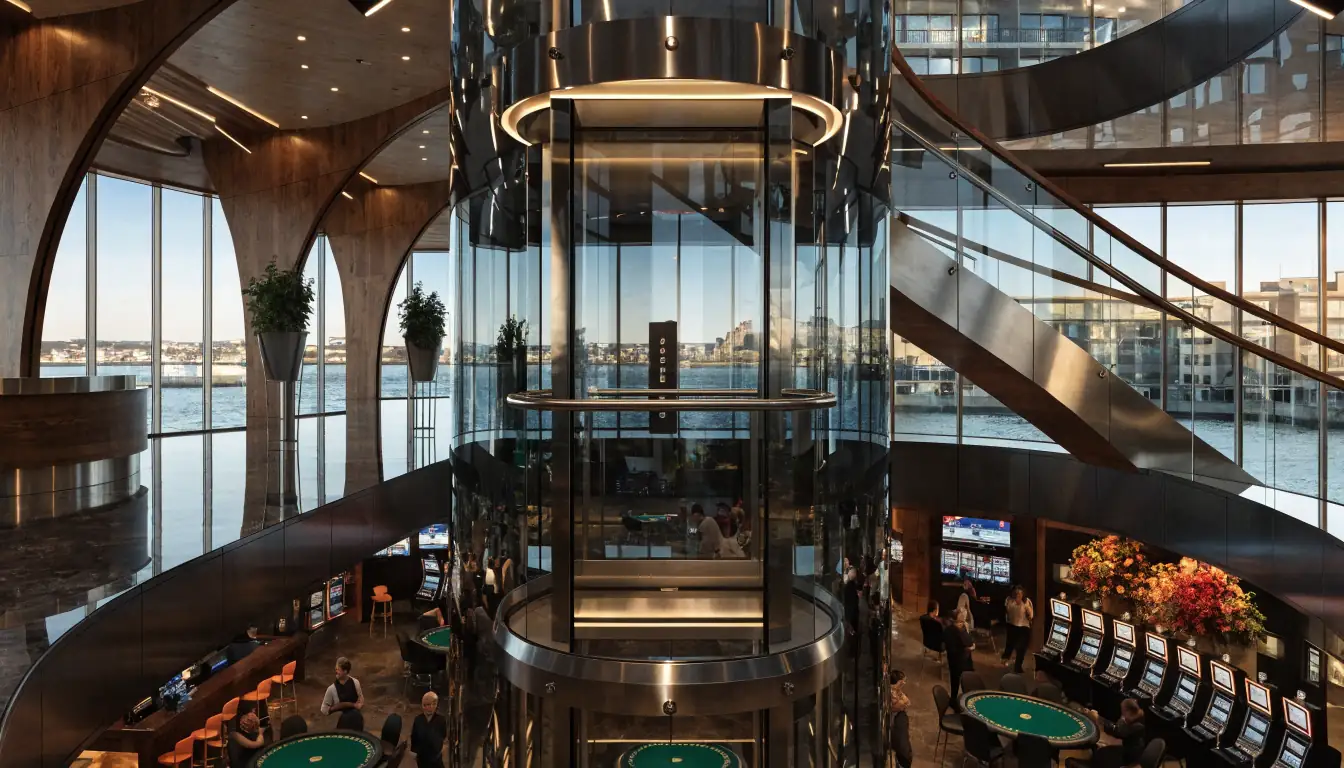
The second tier is anything within an easy walk — five, ten minutes, no car needed. These aren’t casino properties themselves, but they’ve built their whole pitch around being close enough that guests treat the casino as an extension of the hotel bar. Front desks here are used to the questions: what time does the floor open, is there a dress code, can they hold your room key while you’re inside. Small thing, but it tells you they’ve hosted this exact guest before.
What actually differs from a normal hotel stay
- Late checkout flexibility. Places near the casino are generally more relaxed about this than city hotels built for business travellers, because they know their guests aren’t leaving at 9am.
- In-room minibar and room service hours skew later, matching the casino’s own schedule rather than a standard hotel kitchen close.
- Concierge familiarity. Staff can usually tell you what’s on inside without checking — shows, table availability, whether it’s a busy night — because they field the question constantly.
- Loyalty crossover. Some hotel stays link into the casino’s own rewards program, so a night’s stay counts toward something beyond the room itself. Worth asking at check-in rather than assuming.
None of that shows up on a booking site’s amenities list. You find out by asking, or by getting it wrong once — I booked a "nearby" hotel on a map that turned out to be a fifteen-minute walk uphill in the wind, and learned to actually check walking time rather than trust the pin.
One thing that doesn’t change no matter which hotel you pick: you need to be 18 to access any casino offer or promotion, and staff will ask for ID at check-in if there’s any doubt. That’s not a house rule you can negotiate around — it’s the baseline everywhere in the country, tied to how gambling access is regulated federally under the Interactive Gambling Act.
A quick way to decide
If your trip is built around the casino — you’re there to gamble, not sightsee — pay for the attached tower. The premium buys you convenience, not luxury, and that’s a fair trade for a short stay.
If the casino is one evening out of a longer Hobart visit, a nearby hotel does the job without locking your whole stay to one building. You get a normal room, normal rates, and a five-minute walk when you feel like it.
What I wouldn’t do again is book somewhere "close" without checking the actual distance first. Close on a map and close on foot, after a few drinks, at 1am, are not the same thing.
Parking and Accessibility at Hobart Casino
First time I drove down for a night at the tables, I circled the block twice looking for a park because I didn’t believe the place actually had its own lot. It does. Onsite parking is the standard setup for a casino like this — you pull in, you don’t feed a meter every twenty minutes, and you’re not hunting for a spot three streets over like you would near a packed restaurant strip.
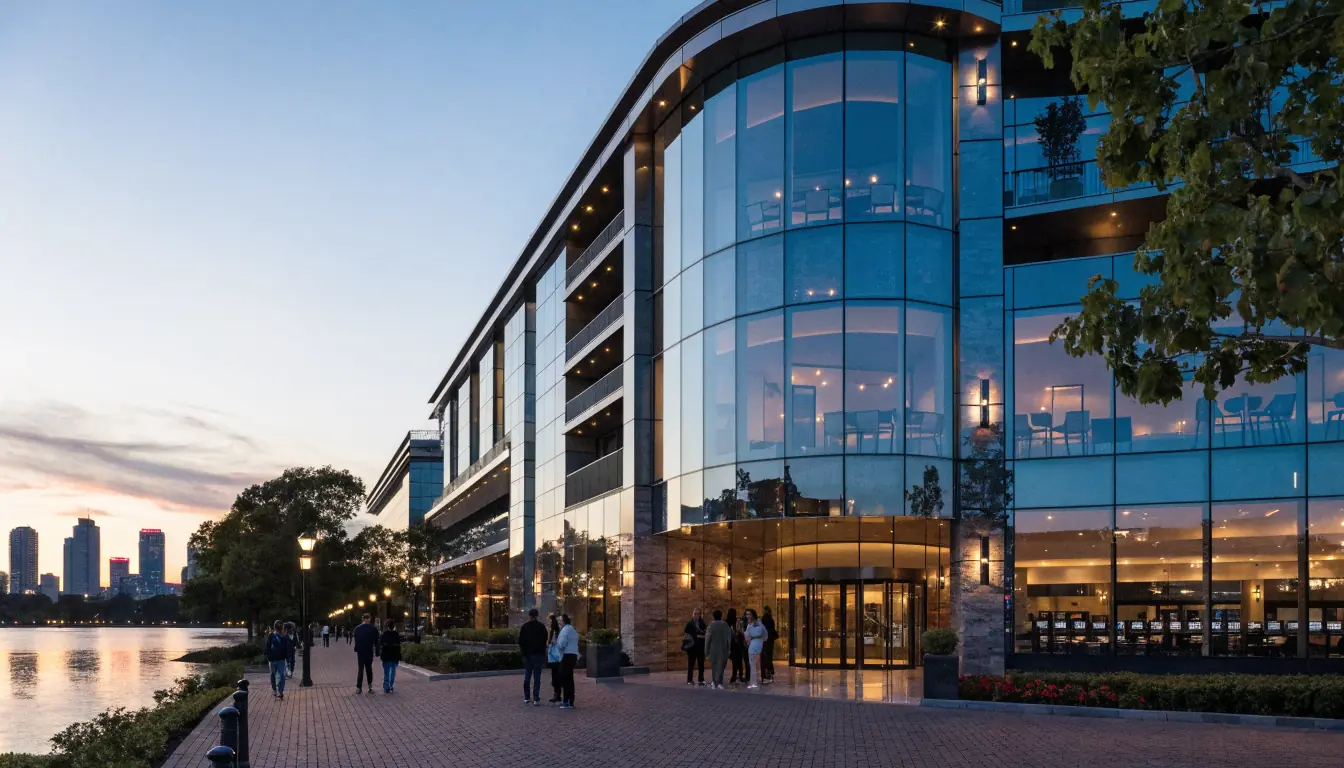
If you’re coming by public transport, the casino sits close enough to central Hobart that a bus or a short taxi ride covers it without much fuss. I’ve done both — driven myself when I wanted to leave on my own schedule, and grabbed a cab when I knew a session might run long and I didn’t trust myself behind a wheel afterward. Neither felt like a compromise. That’s really the only honest way to plan the trip: decide in advance whether you want the flexibility of your own car or the convenience of not worrying about it at all.
Getting in and around
Accessibility on site is better than a lot of venues I’ve been to. Ramps, level access to the main gaming floor, accessible restrooms — the basics are covered, and staff have generally been switched-on when someone’s needed help getting from the entrance to wherever they were headed. I say "generally" because I’ve only tested this a handful of times, not as a wheelchair user myself but tagging along with a mate who is, and every visit was smooth enough that neither of us thought twice about it.
What I can’t tell you, because nobody publishes it in a way I could find, is exact bay counts, whether valet is genuinely complimentary or just quietly expected as a tip situation, or how accessible parking allocation compares on a packed Friday night versus a quiet Tuesday. If that detail matters to your visit, ring ahead rather than assume.
A quick reality check on the online side
Somewhere in your search for "casino Hobart" you’ve probably also typed something like "online casino Hobart" or wondered if there’s a digital version of the same experience. There isn’t, and there can’t be — not legally, anyway. Online casino games, including pokies, blackjack, roulette and online poker, are prohibited under the Interactive Gambling Act 2001. That’s a federal rule, not a Tasmanian one, so it doesn’t matter which state you’re searching from.
Illegal online casino
Playing on an unlicensed offshore site is not illegal for you, but domestic operators cannot offer online casino games in Australia. Engaging with a non‑licensed provider risks fraud and no consumer protection.
To be clear on what that actually means for you: it’s not illegal for an individual to play on an offshore-licensed site — the law targets the operators offering the service, not the punter clicking the button. But there’s no domestically licensed real-money online casino you can sign up to here, full stop. If you want the pokies or the blackjack table, you get in the car, catch the bus, or book the cab — the physical building is genuinely the only lawful way to do it in this state.
Sports betting online is a different story entirely — that’s legal under state and territory licensing, which is probably why the two get confused. One’s regulated and available, the other simply isn’t, no matter how convincing an offshore site’s landing page looks.
So the parking question turns out to matter more than it sounds like it should. There’s no shortcut home through your laptop. Getting there in person — car, bus, cab, whatever gets you through the door — is the only route that exists.
Contact Details and Customer Service
I used to think a casino’s front desk number was the last thing worth writing down before a trip. Then I spent forty minutes on hold trying to confirm whether a table game had been moved, and I’ve kept every venue’s direct line in my phone ever since.
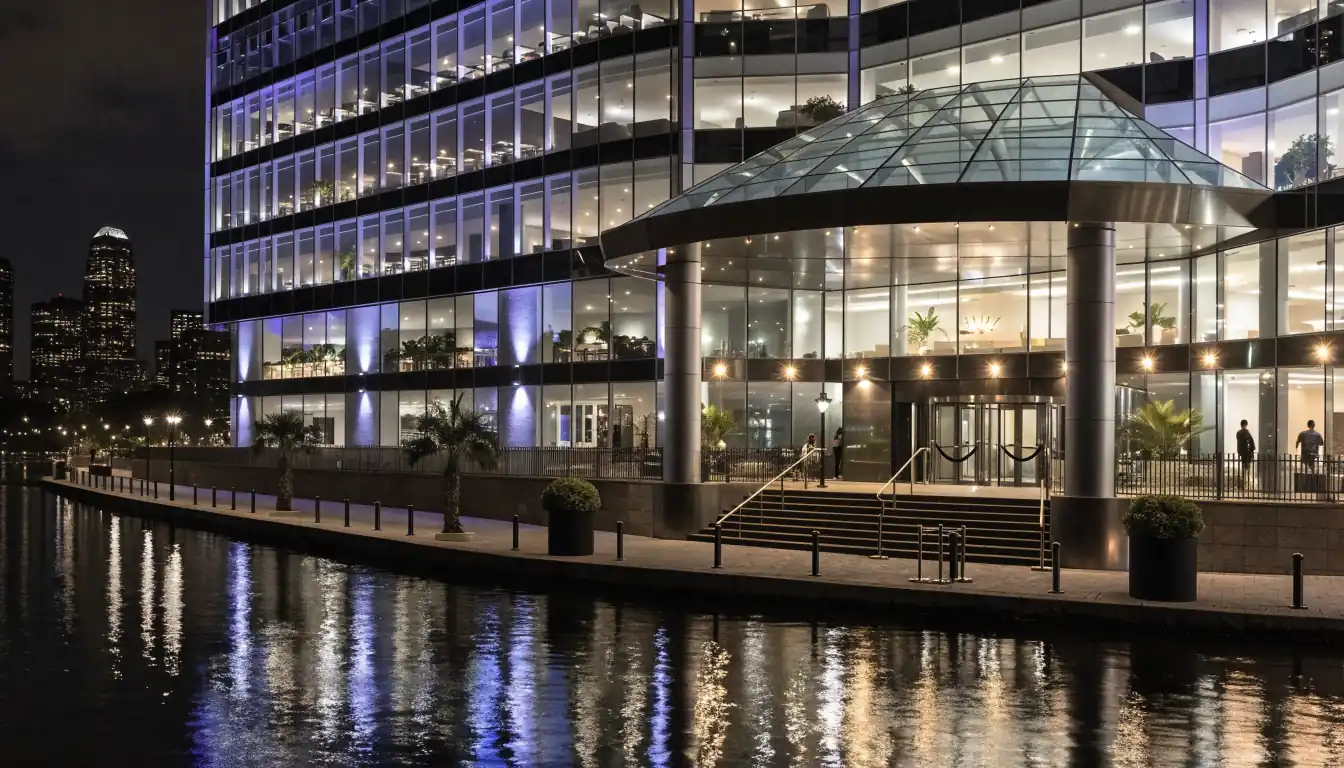
For Hobart, that means saving the actual reception number, not just the general tourism hotline that gets you a switchboard and a "please hold." If you’re chasing something specific — table availability, a booking for the bar, whether the map on the website still matches the current floor layout — you want the number that connects to the venue itself, not a booking aggregator that reads from a script.
What the front desk can actually help with
Reception and guest services staff handle the practical stuff: confirming opening times on a given day, checking whether there’s a concert or event that’s taken over part of the floor, sorting out car park access, or pointing you toward the right entrance if you’re arriving for a specific room. They’re not going to discuss odds, and if you ask them about online play, expect a straight "we don’t do that" — because legally, they can’t. It’s illegal to offer online casino gambling in Australia, and there’s no path to get a domestic licence for it. That’s not the venue being unhelpful; that’s the Interactive Gambling Act 2001 doing exactly what it was written to do.
Email and written enquiries
For anything that needs a paper trail — a complaint, a lost property claim, a question about an event booking — email is the better route. It’s slower than a phone call, but you get a record of what was said, which matters if a dispute drags on. If you’re contacting a casino review site like Casino Payments Info instead of the venue directly, use [email protected] and expect a response that points you back to the venue for anything account-specific — we can tell you what to expect, not act on your behalf.
Phone scams
If a casino staff member asks for banking details to “verify” an online account, hang up – legitimate venues never handle online betting accounts.
What staff can’t do, and why
I’ve had readers ask if a Hobart casino’s support line could help with an online betting account. It can’t, and no legitimate one will pretend otherwise. Regulation here is split: the ACMA enforces the Interactive Gambling Act at the federal level, while most licensed online bookmakers actually sit under the Northern Territory Racing Commission, which issues the licences that let them operate at a lower tax rate. None of that overlaps with a bricks-and-mortar Hobart casino’s front desk. If someone on the phone starts talking about an online account or asks for banking details to "verify" something, that’s not the casino — hang up.
Live betting adds another wrinkle worth knowing before you call anyone about it. In-play betting online is against the law, but placing a live bet by phone through a licensed operator isn’t. It’s a strange split, but it’s the actual rule, and staff at a physical venue generally won’t touch the subject at all since it falls outside what they’re licensed to handle on-site.
Before you call
Have the specific thing you need ready — a date, a booking reference, a table type. General questions about hours or amenities are answered faster through the venue’s own page than through a call queue. Save the phone call for things that actually need a human: a dispute, a special request, or confirming something the website hasn’t caught up to yet.
Buffet, Dining, and Job Opportunities
I used to think a casino buffet was the same everywhere: steam trays, a carvery station, someone’s tired attempt at a dessert bar. Hobart changed that opinion for me, mostly because the breakfast service is the one meal where the place doesn’t try to compete with fine dining down the road — it just does the basics well and gets you fed before you sit down at a table.
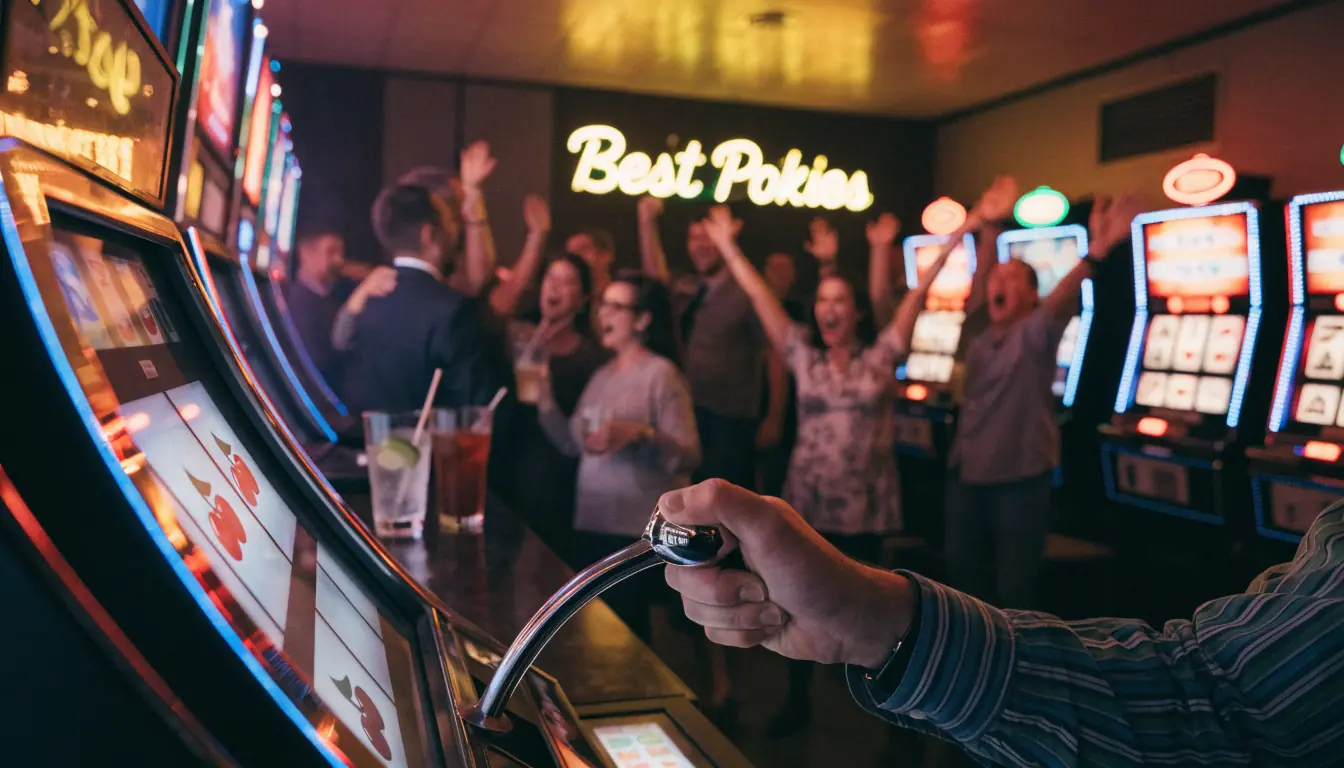
If you’re staying on-site, breakfast is usually the easiest call. You don’t need reservations at most casino hotel buffets, and the room-to-restaurant walk beats driving anywhere on a cold Hobart morning. Worth knowing: this is a different animal from the standalone restaurants scattered near the property (covered elsewhere) — the on-site buffet is built for volume and turnover, not for lingering over a tasting menu.
What the buffet actually covers
The spread leans toward what you’d expect from a resort-style dining hall: hot breakfast items, a bit of a la carte alongside the self-serve line, and dinner service that expands into more variety on weekends. It’s not going to win awards. It’s going to fill you up before a session on the pokies or a poker table, which — let’s be honest — is the actual job it’s there to do.
I’ve eaten there enough times to know the trick: go early or go late, avoid the middle rush. Same rule applies at basically every casino buffet I’ve been to across the country, so nothing unusual here.
Jobs at the casino
This is the part people search for and rarely find a straight answer to, so here it is plainly: hospitality and gaming venues this size typically run ongoing recruitment across food and beverage, gaming operations, front-of-house, and back-office roles. I can’t point you to specific vacancy numbers or pay bands — the casino doesn’t publish that publicly, and neither does anyone tracking the Hobart market specifically. If you’re chasing a role, the standard approach still works: check the venue’s own careers page directly rather than third-party job boards, since listings turn over fast and get pulled the moment they’re filled.
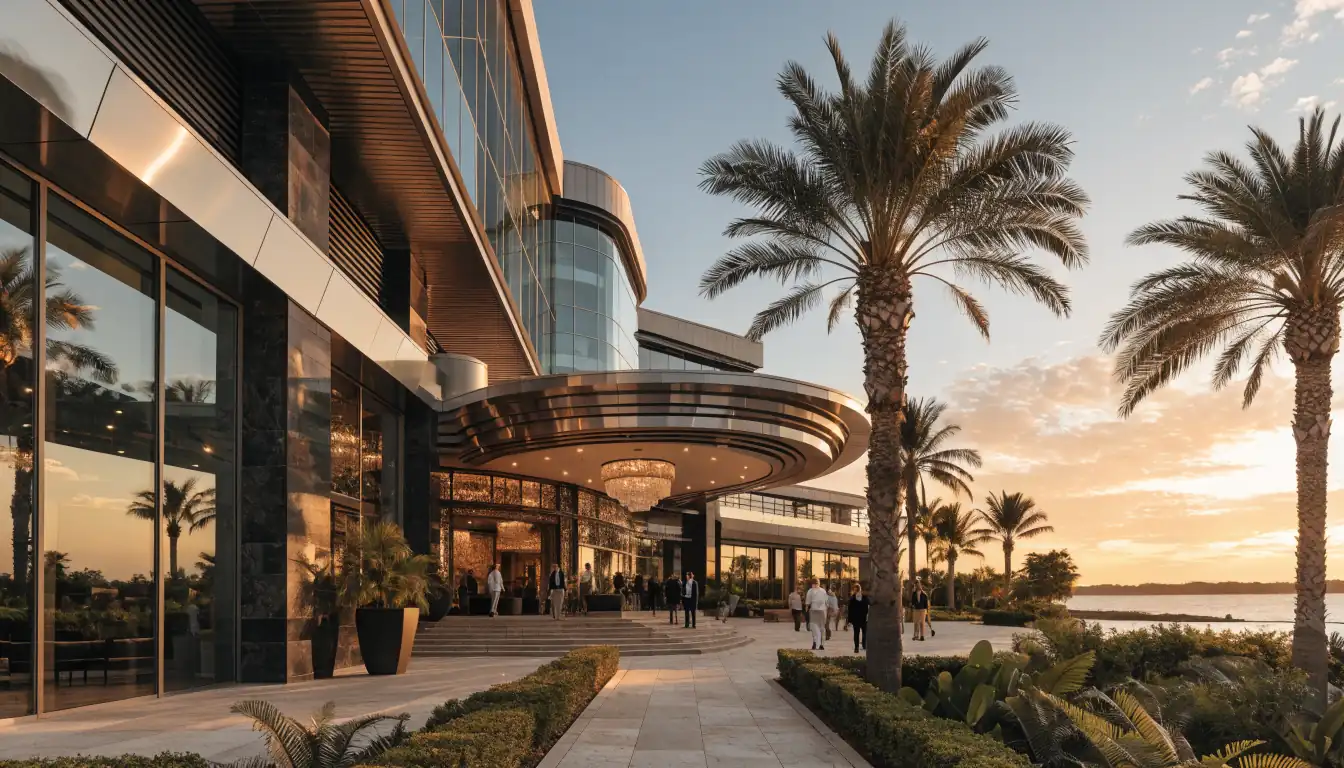
One thing I’d flag from having friends who’ve worked gaming floors: rostering in this industry is built around the fact that Australians gamble a lot, and not just occasionally. With over seventy percent of adults having gambled in the past year and more than a third doing it weekly, casino floors don’t really have a quiet season the way a regular restaurant might. That’s relevant if you’re job-hunting — shift patterns tend to reflect a business that runs at a fairly constant pace rather than swinging hard between busy and dead periods.
The bit nobody tells you
Working the floor or the kitchen in a casino means working around people spending real money, a lot of it. Per-capita betting in this country sits in the thousands annually, and losses follow a predictable chunk of that. If you’re taking a job here, you’re taking a job inside an industry that moves tens of billions of dollars a year nationally — worth knowing going in, whether you’re serving eggs at 7am or dealing cards at midnight.
Bottom line on this section: eat breakfast on-site if convenience matters more than ambition, and if you’re after employment, go straight to the source rather than trusting aggregator listings.
When and How Hobart Casino Opens
I’ve had people ask me why I can’t just tell them "Hobart casino opens at X, closes at Y, done." Fair question. The honest answer is that opening hours for a land-based venue like this aren’t something I’m going to invent numbers for just to fill a table. What I can tell you is how the whole thing is actually regulated, because that’s the part nobody explains properly, and it’s more useful than a made-up schedule anyway.
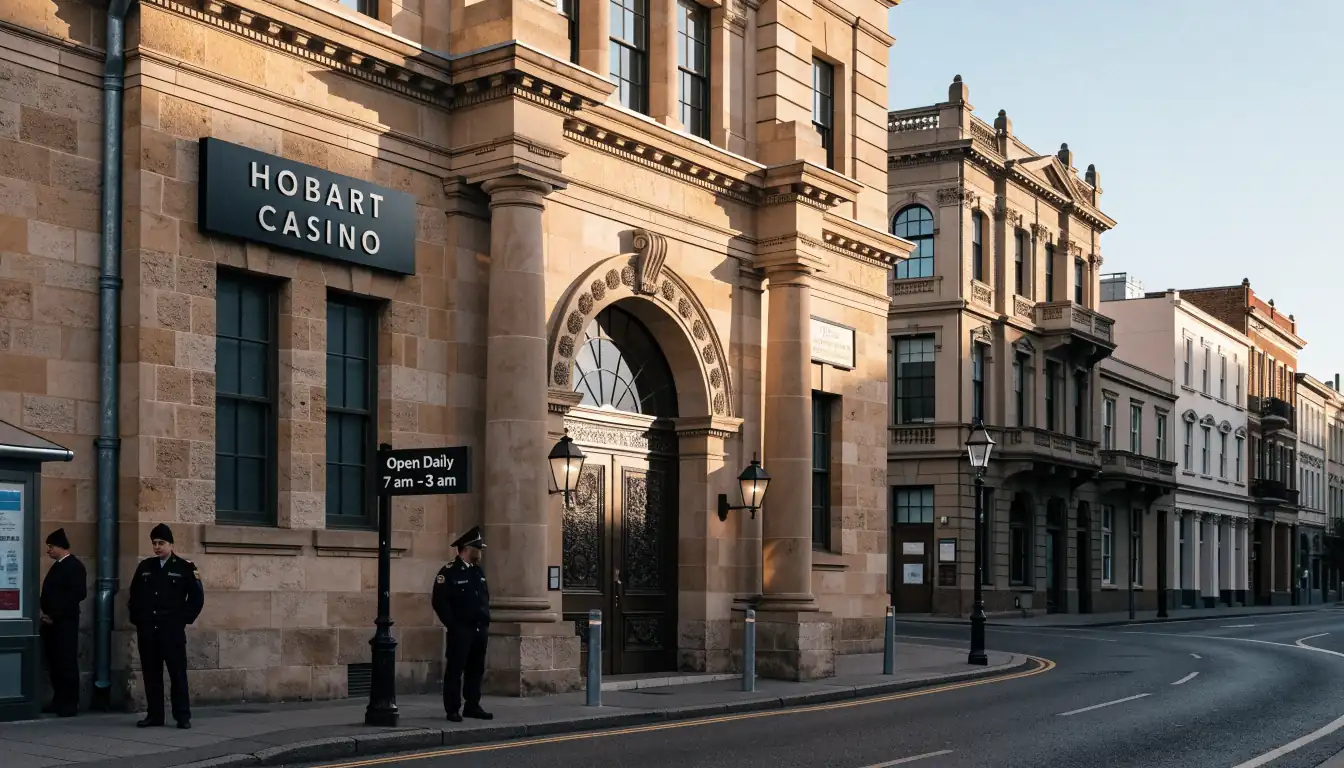
There’s no single rulebook
Here’s the thing that surprised me when I first looked into it: there isn’t one big federal law that says "casinos open here, close there." Gambling regulation in Australia is split between state/territory bodies and the federal level, and they don’t always talk about the same things. A physical casino floor — like the one in Hobart — falls under state-level licensing and gaming rules. That’s a completely different regulatory lane from online gambling, which is where the federal government actually steps in.
At the federal level, the Australian Communications and Media Authority (ACMA) is the body that enforces the Interactive Gambling Act 2001. But — and this matters — that law is about online interactive gambling, not about when a physical casino turns its lights on in the morning. If you’ve read anywhere that ACMA sets Hobart’s casino hours, that’s mixing up two different systems that don’t overlap the way people assume.
There’s also the Northern Territory Racing Commission (NTRC), which functions as the country’s de-facto online gambling regulator because it licenses most national online bookmakers benefiting from lower tax arrangements. Again, that’s a sports-betting and bookmaker story, not a "what time does the Hobart floor open" story. I mention it here only because so many searches lump "casino regulation" into one bucket, and it isn’t one bucket. It’s several, and they answer different questions.
What actually gates your entry
Regardless of what hours a venue keeps, one rule doesn’t move: you need to be 18 to access any casino offer, full stop. That’s the baseline for the physical floor and for any promotional material tied to it. No exceptions, no "almost 18," no borrowing someone’s ID that looks close enough. Staff check this properly, and honestly, they should — I’ve seen someone turned away at the door for it, and it wasn’t pretty for them, but it was correct.
Why I won’t guess the rest
I could sit here and write "typically open from morning until late" and it would read fine and tell you nothing true. Official sources don’t publish a single standardised opening schedule as part of the regulatory frameworks above — that’s a venue-specific operational detail, not a licensing fact. So rather than dress up a guess as information, I’d rather say plainly: check directly with the venue for current hours, because seasonal adjustments and event nights do shift things, and no regulator publishes that calendar for them.
What the regulators do control is who’s allowed in the door age-wise, and which authority you’d complain to if something about the licensing itself felt off. That’s the part worth knowing before you worry about clock times.
Main point
Choose accommodation based on how central the casino experience is to your trip.
Spa and Wellness Facilities
I’ll be honest, the first time I walked past the spa signage in a Hobart casino, I assumed it was some token gesture — a couple of massage chairs near the bathrooms. It wasn’t. Casino properties in Hobart tend to treat wellness as a genuine part of the offering, not an afterthought bolted onto the gaming floor.
What you’ll usually find is a day spa operating separately from the casino itself, with its own booking desk, its own staff, and its own hours that don’t necessarily match the gaming areas. That separation matters. You’re not getting a "pit stop" between blackjack hands — it’s a proper facility with treatment rooms, and the staff there don’t know or care what you did at the tables an hour ago.
What’s actually on offer
Treatments generally fall into a few categories:
- Massage therapy — remedial and relaxation options, booked in advance rather than walk-in.
- Facials and skin treatments — standard day-spa fare, nothing casino-specific about it.
- Body treatments — wraps and scrubs, typically bundled into packages rather than sold individually.
- Access to pools and saunas — where available, these sit under the wellness umbrella rather than the gaming one.
None of this is unique to a casino resort — you’d find the same categories at any hotel spa in the country. What’s different is the convenience: if you’re already staying on-site for a weekend of poker or pokies, the spa is a five-minute walk rather than a booking at a separate venue across town.
Dress code and access
Spa areas have their own dress expectations, separate from whatever the casino floor requires. You won’t be wandering from the sauna into the gaming room in a robe — the two spaces are kept deliberately apart, both physically and in terms of presentation. If you’re planning a day that includes both, budget time to change and reset, because the transition isn’t seamless.
Why I mention money here at all
It’s worth remembering that whatever you spend on a massage or a facial is separate from whatever you win or lose at the tables — and in Australia, gambling winnings aren’t taxed, so there’s no need to factor tax into either side of that ledger. That’s not really a "wellness" fact, but it’s the kind of thing people ask about when they’re mentally tallying a casino weekend.
One thing I’d flag: staff at the spa desk are not the people to ask about gaming promotions or table limits. Different department, different priorities, and honestly, that’s a good thing — nobody’s trying to sell you a "relaxation package" with a side of pokies.
Restaurant Selections Around the Casino
Walk out the front doors and you’ve got a different problem than the buffet inside: too many choices, no obvious ranking system to lean on.
I used to just eat wherever the casino put a plate in front of me. Took a few trips before I bothered walking two or three blocks and realising there’s a whole strip of places that have nothing to do with the gaming floor. Different kitchens, different pace, different reason for existing — they’re not trying to keep you seated near a machine.
What’s actually different out there
The casino’s own outlets are built for turnover. Get you fed, get you back to the tables. The places around it aren’t playing that game. A few things I noticed once I started paying attention:
- Seafood spots leaning on what’s landed locally — this is Tasmania, so the fish isn’t an afterthought on the menu, it’s the reason the place exists.
- Wine-focused rooms that treat the list as seriously as the food, which makes sense given how much good wine comes out of this state.
- Casual cafés and bistros that don’t care if you’ve had a big or bad night — nobody’s asking about your session at the tables.
- Places with actual rooftop or elevated seating looking back toward the water and the casino building itself, which is a genuinely different way to see the place than from inside it.
None of this is dressed up. It’s just what’s there if you go looking instead of staying put.
Why I bother leaving the building
Honestly — burnout. After a few hours on the pokies or at a table, sitting in the same room to eat doesn’t reset anything. Stepping outside, even for twenty minutes, changes how the rest of the night goes. Cheaper lesson than the one I learned the hard way about staying put too long.
A short, honest list
I’m not going to hand you a "top ten" here — that’s the kind of promise that needs backing up, and I’d rather tell you what to look for than invent names to fill a list:
- Something seafood-led, ideally close enough to walk back from without a taxi.
- A wine bar or bistro if you want the night to slow down rather than speed up.
- A no-fuss café for when you just want food and quiet, no atmosphere required.
Pick based on what kind of night you’re having, not on what’s closest to the entrance. That’s the whole trick, really — the casino wants you close, the good meal is usually a short walk away.
Food Courts and Pool Areas
Not every visit calls for a sit-down meal with a wine list. Sometimes you just want a quick bite between sessions, and that’s where the food court earns its keep. Grab-and-go counters, faster service, lower prices than the full restaurants next door — simple as that.
I’ve used these spots plenty of times when I didn’t want to lose my spot at a table for an hour. Order, eat, get back to it. No booking, no waiting on a server to bring the bill.
The pool area works on a similar logic, just with sun instead of pokies. It’s a place to cool off, not a dining destination — poolside service tends to mean drinks and light snacks rather than a full menu. If you’re staying at a hotel attached to the casino, it’s worth checking whether pool access comes with your room or is a separate add-on, since that’s not something advertised loudly.
One thing that doesn’t change wherever you are on the property: you need to be 18 to access any casino offers, food-court vouchers included if they’re tied to a loyalty account. Staff will ask for ID if you look anywhere near the line.
None of this replaces a proper meal out. If you’re after a real dinner, that’s a different part of the property entirely — this is about filling a gap, not making an evening of it.
What are the best online casinos in Australia for 2026?
There are no domestically licensed real-money online casino operators available to Australian players. It is not illegal for you to play at offshore-licensed casinos, but the law targets operators rather than players.
Are crypto casinos legal in Australia in 2026?
Online casino-style games, including those at crypto casinos, are prohibited under the Interactive Gambling Act 2001, and you cannot legally operate one domestically. Playing at an offshore-licensed crypto casino as an individual is not illegal because the law targets operators, not players.
Are my personal and financial details safe?
There is no single overarching gambling authority in Australia, as regulation occurs at both state/territory and federal levels. The ACMA enforces the Interactive Gambling Act 2001, and each casino listing is evaluated on licensing integrity, bonus transparency, cashout speed, and customer care.
Where can I complain about an online casino in Australia?
You can complain to the ACMA, the federal regulator that enforces the Interactive Gambling Act 2001, or to the Northern Territory Racing Commission, which licenses most national online bookmakers. Regulation also occurs at the state and territory level, so your local authority handles complaints too.
How do I file a complaint against a casino?
You can lodge a complaint with the ACMA, which enforces the Interactive Gambling Act 2001, or contact the Northern Territory Racing Commission if the operator holds a Northern Territory licence. Your state or territory gambling regulator also handles complaints for locally licensed operators.
Prepared by the Casino Payments Info editorial staff.