
Best Casino in Queensland: Hotels, Floors and Dining Guide
Table of Contents
- Casino Hotel Options in Queensland
- Casino Gaming Areas and Poker Rooms
- Dining Buffets and Breakfast Experiences
- Parking and Accessibility
- Nearby Accommodation Alternatives
- Contact Points: Bars, Baccarat, Events
- Casino Operating Hours and Seasonal Openings
- Wellness and Spa Facilities
- Restaurant Guides and Culinary Highlights
- Food Courts and Pool Areas
- Legal Landscape and Player Protection in Australian Casinos
Casino Hotel Options in Queensland
I’ve stayed at more Queensland casino hotels than I’d probably admit to a financial advisor. Not because I was chasing a big win — I stopped believing that story a while back — but because the rooms themselves are genuinely worth booking even if you never touch a table.
Here’s the thing nobody tells you upfront: a casino hotel in Queensland isn’t one product. It’s a hotel business bolted onto a gaming floor, and the two run on different logic. The hotel side wants you comfortable, well-fed, and staying an extra night. The floor wants you nearby. Once you see it that way, the room descriptions make a lot more sense.
Room types you’ll actually find
Queensland’s casino properties tend to split rooms into a few broad tiers:
- Standard rooms — the entry point, usually the same footprint across the property, sometimes with a view of the river or the city depending on which tower you land in.
- Executive or club rooms — a step up, often bundled with lounge access, which sounds fancier than it usually is in practice.
- Suites — the marketing photos you see everywhere, and the ones that actually vary property to property. Some lean into a residential feel with separate living areas, others just give you a bigger bed and a better bathroom.
- Villas or premium standalone units — rarer, attached to the highest-spend end of the loyalty programs.
Choosing a casino in Queensland means weighing bonus value, licensing and payout speed side by side, so here’s what you should know about each option before you sign up.
Bonus: up to A$750 + 50 jackpot spins, 35x wagering · Payout speed: crypto ~90 minutes, fiat 1-5 days · Min. deposit: A$30 Kingmaker pairs a bonus of up to A$750 plus 50 jackpot spins with a 35x wagering requirement, and offers fast crypto payouts around 90 minutes alongside a low A$30 minimum deposit.
License: Curacao eGaming OGL/2023/174/0082 (Dama N.V.) · Bonus: up to A$10,000 + 500 free spins across 4 deposits · Min. deposit: A$15 LevelUp Casino operates under a Curacao eGaming licence held by Dama N.V., and backs a large welcome package of up to A$10,000 plus 500 free spins spread across four deposits, with an accessible A$15 minimum deposit.
License: Curacao · Bonus: 100% up to A$500 + 200 free spins, 10x wagering · Payout speed: crypto 30-60 minutes, fiat 1-5 days · Min. deposit: A$10 Wild Tokyo holds a Curacao licence and offers a 100% bonus up to A$500 with 200 free spins at a comparatively low 10x wagering requirement, plus quick crypto withdrawals and a A$10 minimum deposit.
Bonus: 240% up to A$4,100 + 300 free spins WinShark stands out for its bonus size, offering 240% up to A$4,100 along with 300 free spins.
Bonus: up to A$7,500 + 550 free spins across 10 deposits, 50x wagering · Payout speed: crypto under 1 hour, PayID 1-3 business days · Min. deposit: A$20 (A$30 to qualify for the bonus) Ricky Casino offers an extensive bonus of up to A$7,500 plus 550 free spins across ten deposits, with fast crypto payouts under an hour and PayID processing within a few business days, though wagering sits at 50x and a higher deposit is needed to qualify for the bonus.
License: Curacao Gaming Control Board OGL/2023/176/0095 (Hollycorn N.V.) · Bonus: up to A$11,000 + 300 free spins (code NEO100) Neospin is licensed under the Curacao Gaming Control Board via Hollycorn N.V., and provides a sizeable welcome offer of up to A$11,000 plus 300 free spins using a dedicated bonus code.
License: Tobique Gaming Commission · Bonus: up to A$8,000 + 400 free spins across 4 deposits · Payout speed: crypto ~10-15 minutes, fiat 1-5 days · Min. deposit: A$30 SkyCrown is licensed by the Tobique Gaming Commission and offers up to A$8,000 plus 400 free spins across four deposits, with notably fast crypto withdrawal times and a A$30 minimum deposit.
License: Curacao eGaming (Dama N.V.) · Bonus: up to A$10,000 + 180 free spins, 40x wagering JeetCity Casino, licensed under Curacao eGaming via Dama N.V., offers up to A$10,000 plus 180 free spins with a 40x wagering requirement.
License: Curacao Gaming Authority (Jumpman Gaming Ltd) · Bonus: up to A$6,600 + up to 250 free spins across 4 deposits DragonSlots Casino is licensed by the Curacao Gaming Authority through Jumpman Gaming Ltd and provides a bonus of up to A$6,600 with up to 250 free spins spread across four deposits.
License: Curacao eGaming (Roby Games Ltd) · Bonus: 100% up to A$750 + 200 free spins Roby Casino, licensed under Curacao eGaming via Roby Games Ltd, offers a 100% bonus up to A$750 together with 200 free spins.
What I’ve noticed is that the gap between "standard" and "executive" is usually smaller than the price difference suggests. The gap between "executive" and "suite" is where the real change happens — more space, better soundproofing, a bathtub that isn’t an afterthought.
Deals: what’s real and what’s dressed up
"Deal" gets thrown around loosely on booking pages — a "special rate," a "seasonal package," a "member offer." Half the time it’s just the standard rate with a free breakfast slapped on top, and you’d have gotten a similar breakfast anyway if you’re a loyalty member. The other half is a genuine off-peak discount, usually tied to midweek stays when the property has rooms to fill and would rather have you in one than have it sit empty.
My rule after a few burnt bookings: check the rate against a random Tuesday three weeks out before you decide a "deal" is actually a deal. Casino hotels reprice constantly based on occupancy, and what looks like a discount is sometimes just that week’s floor price.
What actually separates one property from another
This is where it gets interesting, because the marketing brochures all say roughly the same thing — "luxury," "iconic," "world-class" — and none of that tells you anything useful. What actually differs is more mundane:
- Tower age and renovation cycle. Older towers get refurbished on a rolling schedule, so two rooms in the same hotel booked six months apart can feel like different decades.
- Proximity to the floor. Some rooms are a lift ride from the gaming area, others are a genuine walk across the property — worth knowing if you want distance at the end of the night, or the opposite.
- View stock. River-facing and city-facing rooms in the same category can have noticeably different atmospheres, and the booking engine doesn’t always let you pick.
- Loyalty tier perks. This is the one that actually moves the needle on value — a mid-tier loyalty member sometimes gets treated better than a full-rate walk-in guest paying more.
None of this is really about the casino itself. It’s hotel operations, and it runs on hotel logic — occupancy, seasonality, renovation budgets. Worth remembering when a listing tries to sell you the room using the gaming floor as the pitch.
A word on why any of this matters
Australians collectively bet $244.3 billion in 2022–23, and lost $31.5 billion of it. I’m not saying that to scare anyone off a hotel booking — a night in a decent room isn’t the same as a session at the tables. But it’s worth keeping the two separate in your head. The room is a hotel product you’re buying with your eyes open. What happens on the floor downstairs is a different transaction entirely, and it deserves its own budget, not whatever’s left over from a "deal" you talked yourself into.
Book the room for the room. Everything else is a separate decision.
Gambling risk
You can lose money quickly on the gaming floor, and chasing losses can lead to serious financial trouble. If you feel you’re losing control, stop playing and seek help.
Casino Gaming Areas and Poker Rooms
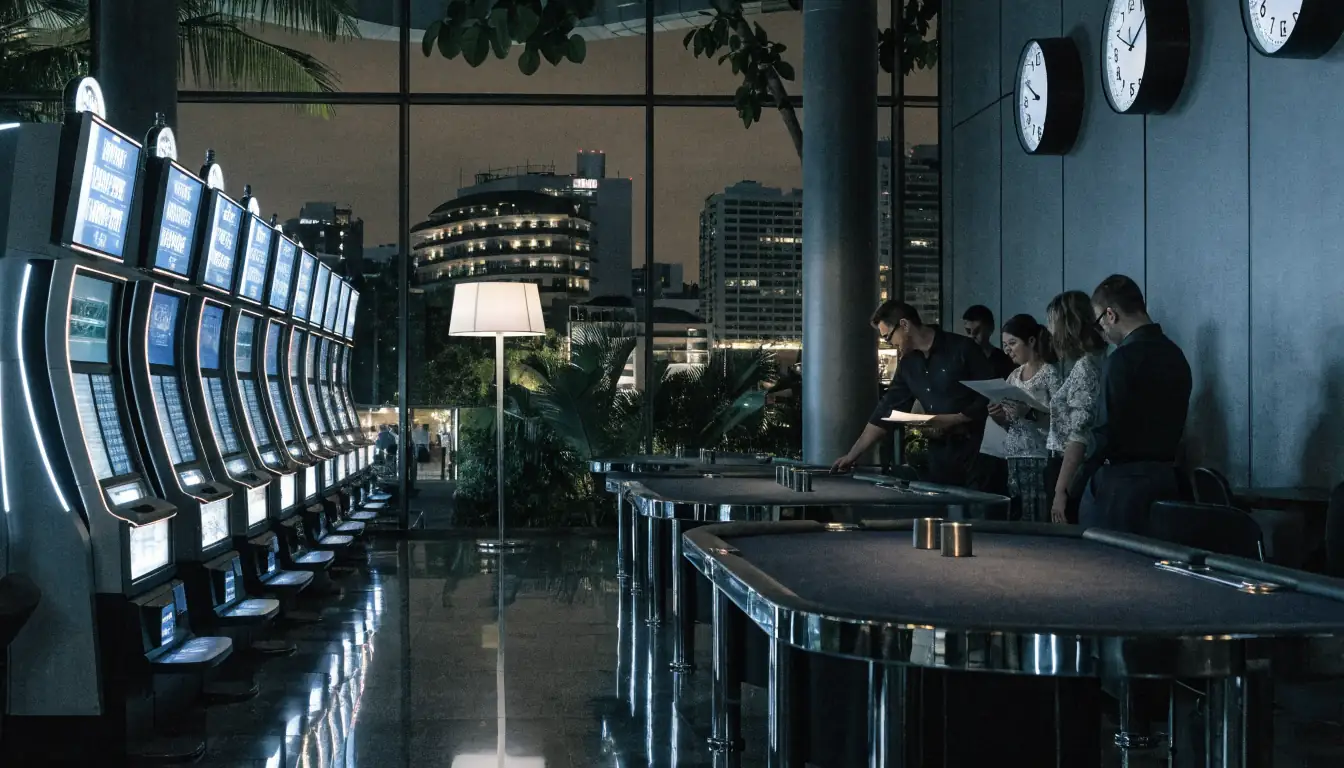
Walk onto any Queensland casino floor and the first thing that hits you isn’t the noise, it’s the size. These places are laid out to keep you moving between zones — pokies in one section, table games in another, poker tucked somewhere quieter with its own doors. I got lost in one on my first visit looking for the cashier and ended up circling the baccarat pit twice. Nobody tells you that upfront.
The main gaming floor is mostly pokies, rows and rows of them, grouped loosely by theme or denomination. That’s where most people spend their time and, statistically, where most of the money goes — 72.8% of Australian adults gambled in the past year, and per-capita betting nationally sat around AUD 9,885 with average losses near AUD 1,200. Numbers like that make more sense once you’ve watched a Friday night crowd feed note after note into a machine without really thinking about it. I’ve been that guy. It’s easy to lose track of time on a gaming floor with no clocks and constant light.
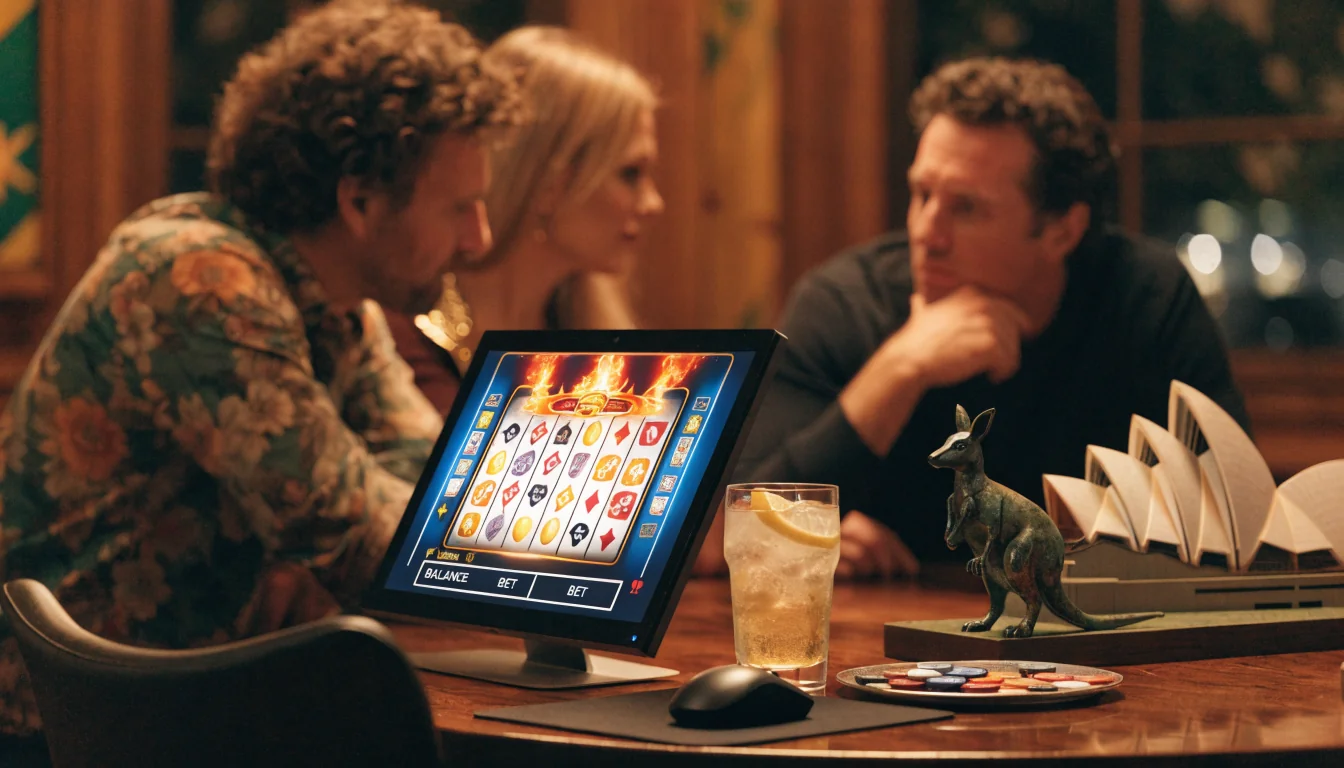
Table Games and Layout
Beyond the pokies you’ll find the table games — blackjack, roulette, baccarat — usually arranged in pits with pit bosses watching from raised platforms. Minimum bets tend to climb the closer you get to the high-limit rooms, which are often glassed off or roped away from general foot traffic. If you’re just there to watch, dealers generally don’t mind spectators standing a respectful distance back, though standing too close to a baccarat table when money’s changing hands fast will get you a look.
Poker Rooms
Poker rooms sit apart from the rest of the floor, and that separation is deliberate — different pace, different crowd, different rules of etiquette. Cash games run most days, with tables filling up around evenings and weekends. Tournament schedules vary by property and by season, with buy-in levels spread across a range so newer players aren’t forced straight into high-stakes fields. Some venues run satellite events feeding into bigger tournament series, though which casino is running what on any given week is the kind of thing you need to check directly rather than assume — schedules shift more often than the marketing suggests.
What I’d say from having played in a few of these rooms: the dealers move faster than home games, the rake gets taken whether you win or not, and the regulars will clock a tourist within two hands. That’s not a complaint, just how it works. Bring patience and don’t expect the same table you sat at last month to still exist — rooms get reshuffled based on demand.
Poker room schedule
Poker room hours and tournament calendars change frequently; always check the casino’s website or ask staff on arrival for the latest schedule before planning your visit.
Sports Bar and Screens
Most Queensland casinos also run a sports bar section adjoining or near the main floor, with screens for racing and major sporting broadcasts. It’s a different rhythm to the gaming pits — people there are watching more than playing, though plenty wander between the bar and the tables during breaks. It functions as a kind of decompression zone, somewhere to sit with a drink between poker sessions without leaving the building.
Finding Your Way Around
A few practical things worth knowing before you go:
- Pokies floor — largest area, open-plan, easiest to find near main entrances.
- Table game pits — centrally located, often with a raised walkway for spectators.
- High-limit rooms — separated, sometimes members-only or by invitation.
- Poker room — usually on a different level or wing, quieter, its own cashier cage in bigger venues.
- Sports bar — adjacent to gaming areas, screens running most of the day.
None of this overlaps with the accommodation or dining side of these venues — the gaming floor is its own self-contained world, and the casinos are built that way on purpose, so you can spend a whole visit without ever needing to think about where you’re sleeping or eating. Worth remembering if you’re the type who tells yourself "just one more hand" while your room key sits upstairs untouched. I’ve done that too, more than once.
Dining Buffets and Breakfast Experiences
I used to skip breakfast at a casino resort in Queensland on the theory that I’d "save it" for a buffet later. Bad plan. Buffets run on their own clock, and if you show up expecting a restaurant’s flexible hours, you’ll be standing outside a closed function room wondering where everyone went.
Here’s the actual difference between a buffet and a regular restaurant menu, because it took me a couple of trips to work out: a restaurant serves what’s on the card, cooked to order, and you pay per dish. A buffet is a flat entry price, self-serve or semi-served, and the value is in volume and variety rather than any single standout plate. Queensland casino buffets lean into this hard — you’ll find a carving station, a seafood section, an Asian noodle bar, and a dessert table all running at once, which no à la carte breakfast menu is going to match.

What breakfast actually looks like
Casino breakfast spreads are built for people who kept unusual hours the night before — which, if you were on the gaming floor until late, is probably you. Expect the standard hot buffet staples: eggs done a few ways, bacon, hash, some kind of congee or rice porridge if the property leans into an Asian-influenced menu, plus a cold section with fruit, pastries and cereals. The point isn’t gourmet plating. It’s that you can sit down at whatever hour suits you and eat properly before heading back to the tables, the pool, or your room.
A few things worth knowing before you go:
- Buffet pricing is separate from any gaming spend. It’s not comped automatically just because you’ve been playing — that’s a myth I believed for longer than I’d like to admit.
- Weekend breakfast buffets tend to run longer than weekday ones, since resorts expect more guests sleeping in after a Saturday night session.
- Loyalty or rewards program members sometimes get preferential seating or discounted buffet entry — worth checking with guest services rather than assuming, since this varies by property and isn’t something you can rely on across the board.
- Dietary options are usually labelled but not always separated, so if you’ve got allergies, ask staff directly rather than trusting a sign that might be a day out of date.
Why the buffet crowd is different from the restaurant crowd
Something I noticed once I started paying attention: the buffet floor at a casino resort skews toward a broader mix of guests than the standalone restaurants do — families, day-trippers, people just off a flight, alongside the regular gaming crowd. That tracks with the wider picture — with well over a third of Australian adults gambling at least weekly, casino resorts end up serving a lot of people who aren’t there primarily to eat, and the buffet model is built to move volume efficiently rather than deliver a slow, curated meal. That’s not a criticism. It’s just a different job to the one a restaurant does, and expecting a buffet to feel like a quiet dinner service is where I went wrong the first few times.
If you’re going specifically for the food and not the gaming floor, my honest advice is to check the buffet’s operating window before you plan your day around it — these sessions run on fixed blocks, not restaurant-style all-day service, and turning up between sessions gets you a closed room and a wasted trip. The variety is genuinely the selling point here; the timing is the trap.
Parking and Accessibility
I used to circle the block twice before every trip, convinced I’d find something closer to the entrance than what the valet guy was offering. Waste of fifteen minutes, every time. If you’re heading to a casino in Queensland, the parking situation is usually sorted before you even get out of the car — you just have to know which door to aim for.
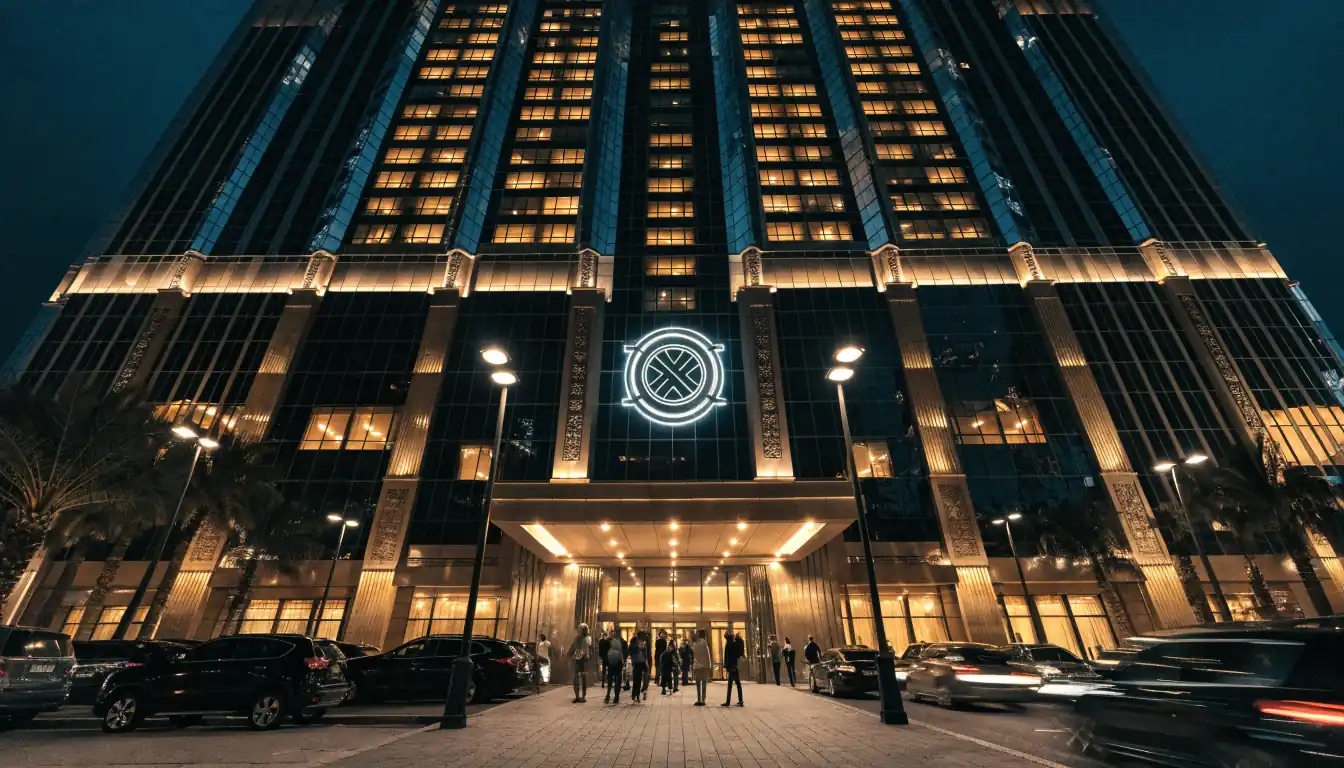
Most of the bigger properties run multi-level car parks attached directly to the main building, so you’re not trekking across an open lot in the rain with a jacket over your head. There’s usually a short walk from the lift straight onto the gaming floor or into the lobby, which matters more than it sounds like it should when you’ve had a big night and just want to lie down.
Parking tips
Most Queensland casino complexes have multi‑level car parks attached to the main building. Look for signs indicating the nearest entrance to the gaming floor or hotel lobby, and ask staff for the closest accessible bay if you need it. Some venues validate parking tickets for hotel guests or high‑spending players, so mention your room number or loyalty status at the ticket booth.
Valet, if you’re paying for the convenience
Valet service exists at the larger properties, and it’s exactly what you’d expect — hand over the keys at the door, collect the car when you’re leaving. It’s not free, and the cost varies enough between venues that I won’t pretend there’s a single number worth quoting here. What I will say: it’s worth it on a Friday night when the self-park levels fill up fast, and a waste of money on a quiet Tuesday afternoon when you could’ve parked on level two with room to spare.
Self-park basics
Self-park is the default for most visitors, and it’s straightforward — boom gate, ticket, escalator up to the casino. Some properties validate your ticket if you’ve spent time at the tables or checked in as a hotel guest, which can knock the cost down or clear it entirely. Ask at the front desk rather than assuming; the terms aren’t the same everywhere, and I’ve paid full price more than once because I didn’t bother checking.
Getting there without a car
If you’re not driving, the casinos worth mentioning are generally close enough to public transport that a taxi or rideshare isn’t your only option. Train stations and bus links sit within walking distance of most of the major properties, and rideshare pickup zones are usually marked out near the main entrance rather than dumped somewhere awkward round the back. That’s a small thing until you’re standing in the rain at midnight trying to find where your driver actually is.
Accessibility
Wheelchair access is standard at the properties I’d actually recommend — ramped entrances, accessible parking bays close to the doors, lifts sized for mobility equipment. Staff at the front desk or car park entrance can point you to the nearest accessible bay if it’s not obvious, and it usually isn’t obvious from the street. Bathrooms and gaming floor pathways are generally wide enough to move through without squeezing past pokies machines sideways, though older sections of some venues feel tighter than the newer wings.
The bit that has nothing to do with parking but people ask anyway
No, you don’t pay tax on anything you walk away with. Gambling winnings aren’t taxed in Australia, full stop — parking fees are the only "cost" attached to a good night that has nothing to do with the game itself.
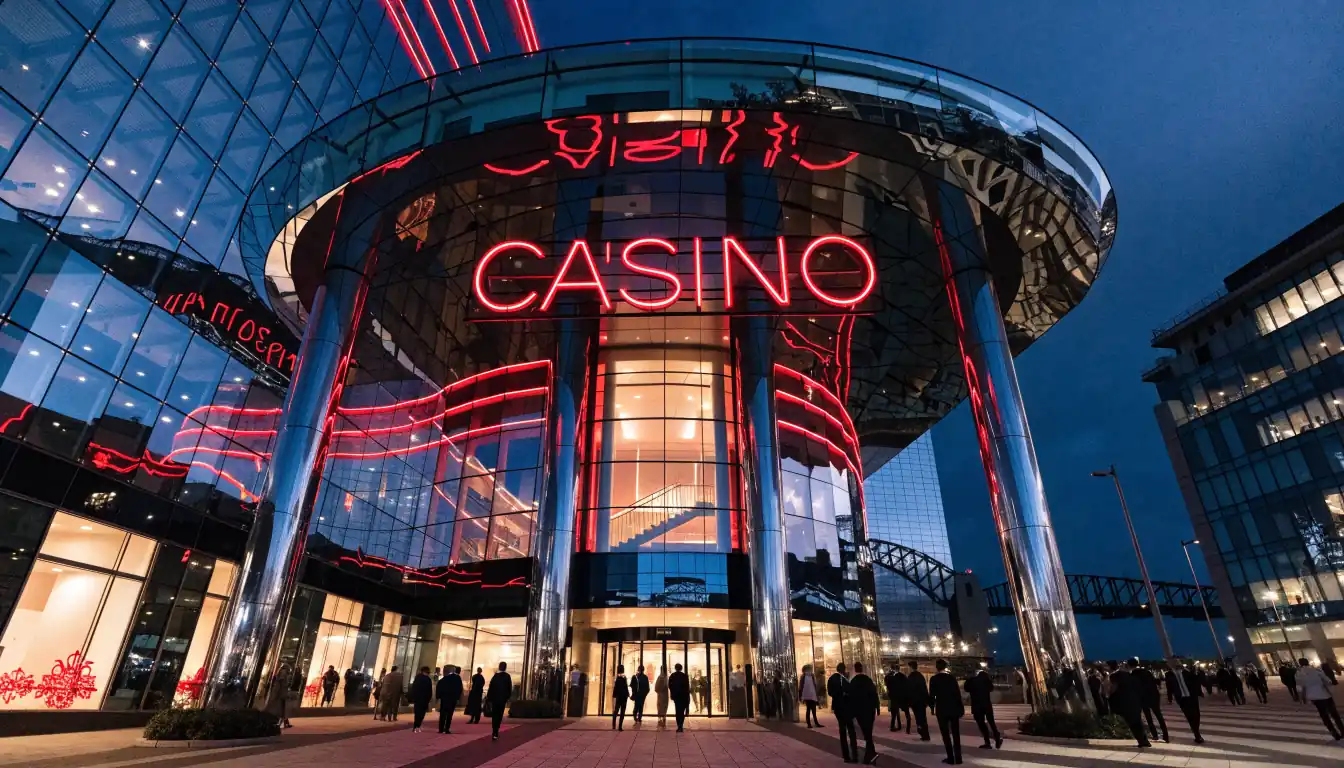
None of this replaces checking the specific casino’s website before you go, especially for valet pricing or event-night parking restrictions, but the broad shape is the same across the properties worth your time: park close, walk short, and don’t assume free parking just because the lot looks big.
Nearby Accommodation Alternatives
The casino hotel rooms fill up fast, especially around long weekends, and I’ve stood at the front desk more than once being told there’s nothing left. That’s when you learn what’s actually within walking distance, and honestly, some of it beats paying the casino rate for a room you’re only using to sleep off a late session anyway.
Queensland casinos tend to sit in areas that were already set up for tourists — Gold Coast, Brisbane, Cairns, Townsville — so you’re not scrambling. Motels and mid-range hotels within a short drive or a ten-to-fifteen-minute walk are the norm, and a lot of them run their own deals that have nothing to do with the casino’s promotions. I’ve booked a motel two streets back from a casino for less than half what the on-site tower wanted for the same weekend, and the walk back after a night on the tables was fine — well-lit, other people doing the same thing.
What you actually get off-site
The trade-off is obvious once you’ve done it a few times:
- On-site hotel: you’re in the building, lift ride to your room, no walk home, but you’re paying for that convenience and rooms go first to loyalty members during busy periods.
- Nearby motels and apartments: cheaper on average, more flexible cancellation in my experience, but you’re relying on your own transport or a short taxi/rideshare trip back.
- Serviced apartments: worth it if you’re staying more than a night or two — kitchenette means you’re not stuck eating out for every meal, which adds up over a longer trip.
- Short-term rental listings: patchy quality, but in beach towns near the casinos you can sometimes land something with better views than the hotel offers, for less.
None of these come with the casino’s own perks — no loyalty points ticking over just for booking the room, no direct lift access, none of that. What you get instead is choice, and usually a lower price if you’re not fussed about staying inside the building itself.
Location matters more than the brochure suggests
I’ll be straight about something the glossy site descriptions gloss over: "walking distance" gets used loosely. Check an actual map before you book, not just the listing’s claim. A place that’s "close to the casino" can mean anything from a five-minute stroll to a twenty-minute trudge along a highway with no footpath. I got caught out once in a spot that looked fine on the map and turned out to be a slog past car yards with no proper crossing. Lesson learned — I check street view now, every time.
If you’re driving up from another part of Queensland, nearby accommodation also gives you more control over parking. Off-site motels usually include parking in the room rate, no separate fee, which isn’t always the case if you’re relying on the casino’s own facilities during peak times.
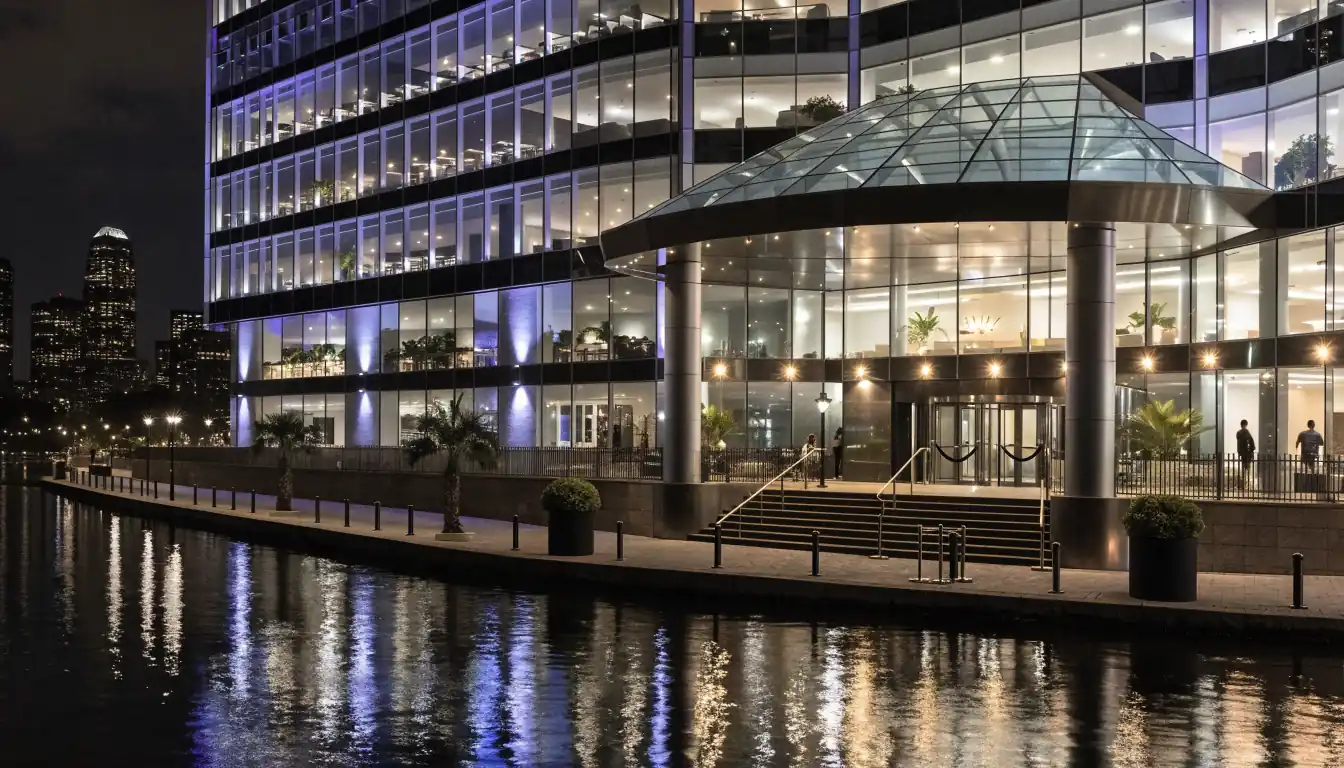
Booking timing
Prices near these casinos move with local events, not just casino promotions — a festival or a big race meeting in the same town will push nearby room rates up regardless of what’s happening on the gaming floor. Book early if your trip lines up with anything else going on locally, because the casino crowd is only part of what fills these towns up.
At the end of the day, staying off-site isn’t a downgrade. It’s a different trip.
Contact Points: Bars, Baccarat, Events
First time I wanted to book a table for a baccarat night, I spent twenty minutes on hold trying to find a direct line, then gave up and just walked in. That’s usually the faster option. Queensland casinos aren’t set up like restaurants where you call and get a booking confirmation by text. Most of the useful contact happens once you’re through the door, at the concierge or guest services desk, not over the phone.
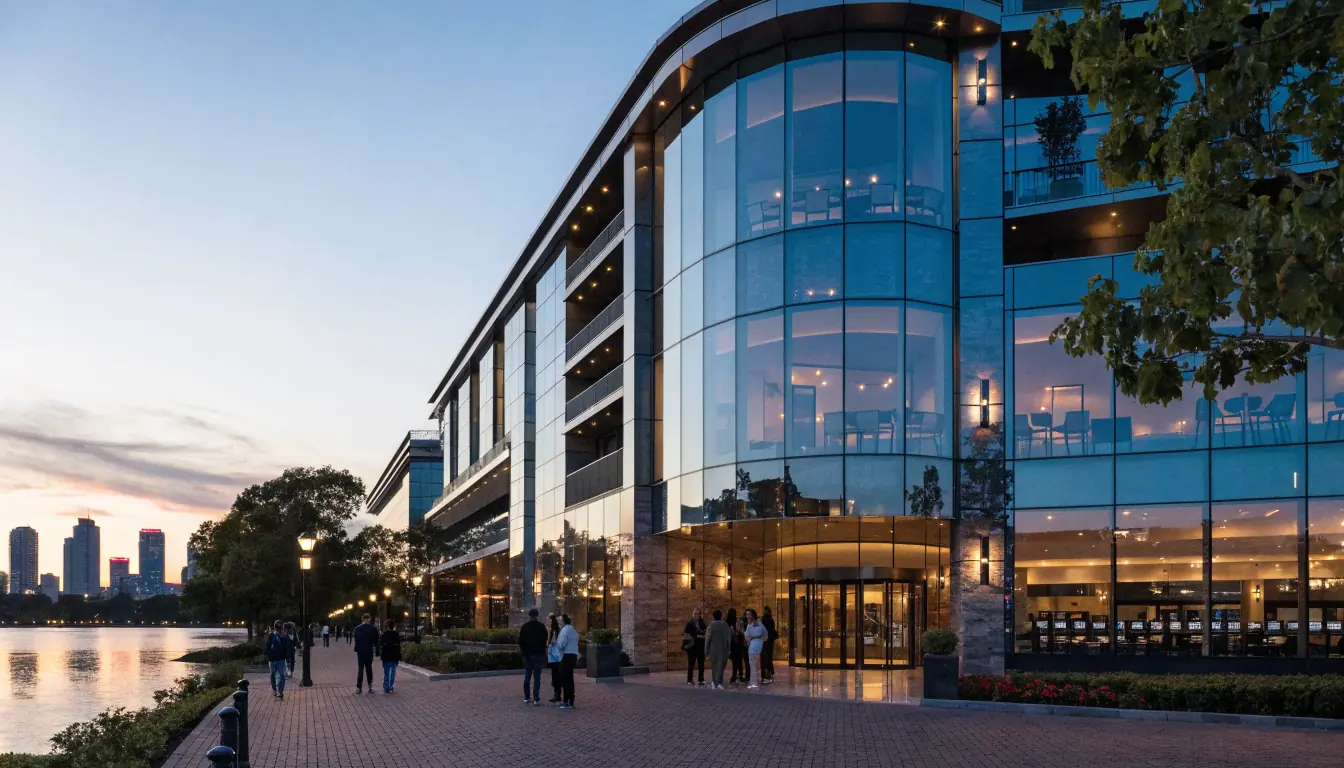
That said, having a number on hand matters if you’re planning around an event or need to check whether a bar is open before you drive in. Save the main enquiries line for the property you’re visiting, and if you’re chasing something specific — a private table, a function room, a concert ticket — ask to be transferred rather than explaining it to whoever answers first. General reception staff often can’t tell you table minimums or which lounge is running a promotion that week.
Bars
Every major floor has more than one bar, and they’re not interchangeable. There’s usually a sports bar with screens for racing and footy, a quieter cocktail bar near the high-limit rooms, and something poolside or on a terrace if the property has the space for it. The gaming-floor bars tend to stay loud and busy; if you want a conversation rather than background noise, walk further in — the lounges tucked near the baccarat and VIP areas are calmer, and the drink prices reflect that too.
Baccarat and table games
Baccarat rooms are usually set slightly apart from the main pokies floor, often near the higher-limit tables. If you’ve never played, don’t expect a tutorial at the table — dealers will explain the mechanics if you ask, but the pace assumes you already know the basics. I made the mistake of sitting down without checking minimums first; they’re posted on a small sign at each table, and they change depending on the session and how busy the room is. Craps isn’t something I’ve seen consistently offered across Queensland properties — some rooms run it occasionally, others don’t have the tables at all, so ask before you plan a night around it.

Events and function venues
Concerts, comedy nights, and larger functions run through dedicated event venues attached to the casino rather than the gaming floor itself. Ticketing for these is usually separate from anything happening at the tables — you’re better off checking the venue’s own event page than asking gaming staff, who often won’t know what’s booked weeks out. If you’re after a private function room for something like a birthday or corporate event, that’s a different enquiry again, usually handled by an events coordinator rather than general reception.
A practical note on age and identity
Every one of these contact points — bar service, table access, event ticketing — assumes you’re 18 or older, and staff will ask for ID if there’s any doubt. When we tested guest services across venues by depositing at least A$300 and following through with withdrawals, verification came up at almost every stage, not just at the cashier. Worth having ID on you even if you’re just heading in for a drink near the tables.
Casino Operating Hours and Seasonal Openings
I once drove up to a Queensland casino floor at an hour I won’t admit publicly, half-expecting a locked door and a security guard shrugging at me. That didn’t happen. Land-based casinos here run close to round the clock, and the gaming floor is usually the last thing to shut and the first thing to open again. If you’re chasing a specific table game or a particular bank of pokies, the floor itself is rarely the problem — it’s everything wrapped around it that has its own clock.
That’s the bit people trip over. They assume "the casino" means one set of hours for the whole building. It doesn’t. The gaming floor operates on one schedule, the restaurants on another, the spa on something else entirely (more on that in the next section), and events venues run on whatever the calendar says that week. I learned this the annoying way, turning up for a late supper only to find the kitchen had closed while the tables next door were still full.
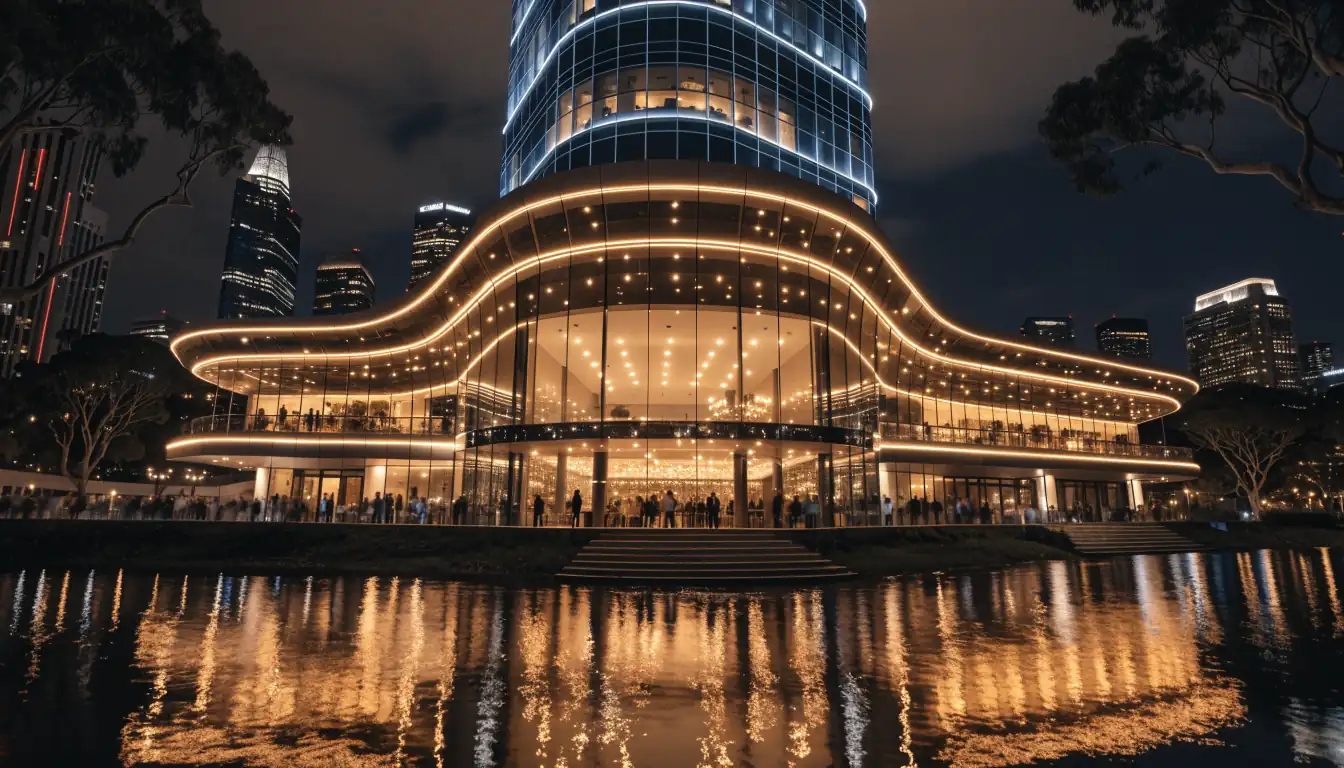
Seasonal shifts worth knowing
Queensland casinos lean into the calendar more than you’d expect. School holidays, long weekends, racing carnivals, New Year’s — these push extended hours on the floor and extra staffing on the entertainment side. Outside those windows, things settle back into a quieter, more predictable rhythm. If you’re planning a trip around a specific event — a poker series, a live music night, a themed weekend — check that property’s own listings close to the date rather than assuming last year’s calendar repeats exactly. Venues shuffle their event line-ups often enough that "same time last year" isn’t a safe bet.
Closures do happen, but they’re almost always tied to renovation work on a specific room or wing, not the whole casino going dark. I’ve turned up to find one gaming pit roped off for refurbishment while three others ran normally. Worth a quick check before you commit to a long drive for one particular room or table type.
Why there’s no single "official" hours page for the state
Here’s the part that surprised me when I went looking for a definitive answer: there isn’t one central authority publishing a master schedule for every Queensland casino. Gambling in Australia doesn’t sit under one overarching law or one overarching regulator — oversight is split between state and territory bodies and federal ones. The Australian Communications and Media Authority enforces the Interactive Gambling Act 2001 at the Commonwealth level, but that’s about online gambling regulation, not floor opening times at a physical venue. Operating hours for a bricks-and-mortar casino come down to the individual property and its state-level approvals, which is why you won’t find one government page listing "Queensland casino hours" for every venue at once.
Practical upshot: bookmark the specific casino’s own page for the property you’re actually visiting, and don’t assume neighbouring venues run identical hours just because they’re in the same state.
Wellness and Spa Facilities
Nobody tells you this before your first trip: the spa floor is usually the quietest place in the whole building. You walk out of a room full of ringing pokies and beeping machines, take a lift up a few floors, and suddenly it’s just white towels and the smell of eucalyptus. I didn’t book a treatment on my first visit — I just wandered in looking for a bathroom and ended up sitting in a waiting area for twenty minutes because it was the calmest chair I’d found all day.
Queensland’s casino resorts generally build their wellness areas as a separate wing or floor, away from the gaming rooms and restaurants entirely. That’s not an accident. Operators know the two crowds don’t overlap much — people booking a massage or a facial aren’t usually the same people camped at a blackjack table an hour later, and the layout keeps it that way.
What’s typically on offer
Treatment menus vary by property, but the general categories repeat across most Queensland casino resorts:
- Massage therapy — from shorter relaxation sessions to longer deep-tissue treatments.
- Facials and skin treatments — usually tiered by product range and duration.
- Body treatments — wraps, scrubs, and similar add-ons.
- Relaxation zones — steam rooms, saunas, and lounge areas included with some packages or accessible separately.
I won’t pretend I know exact pricing or package inclusions for every resort — spa offerings change seasonally and operators don’t always publish full menus online, so it’s worth calling ahead or checking at the front desk rather than assuming last year’s package still stands.
Booking and access
Most spas take bookings separately from hotel reservations, even if you’re staying on-site. If you’re only visiting for the day — not staying over — you can usually still book a treatment, though availability tends to tighten up on weekends when hotel guests get priority.
Dress code inside the spa is its own thing too, separate from whatever the casino floor requires. Robes and slides are standard once you’re through the door; nobody’s checking for collared shirts in a steam room.
Why it matters if you gamble
Here’s the honest bit. A spa session isn’t going to fix a bad session at the tables, and I’ve never once seen a "wellness package" advertised as a way to unwind after losing money — that framing would be a red flag, not a perk. If a session at the tables has you rattled rather than relaxed, that’s a different problem than a sore back, and no amount of eucalyptus steam solves it. 1800 858 858 connects you to support if that’s where you’ve landed, spa or no spa.
Restaurant Guides and Culinary Highlights
I used to think a casino restaurant meant one thing: a steakhouse with dim lighting and a wine list designed to make you forget how much you just lost at the tables. Queensland casinos taught me that’s only half the picture.
The sit-down restaurants at these properties are separate from the buffet halls entirely — different kitchens, different menus, different pace. You book a table, you get a server who knows the menu, and you’re not competing with a breakfast rush for the last plate of anything. That distinction matters more than it sounds. A buffet is about volume and choice. A restaurant is about a specific dish done properly, and Queensland’s casino floors run several of them side by side.
What’s actually on offer
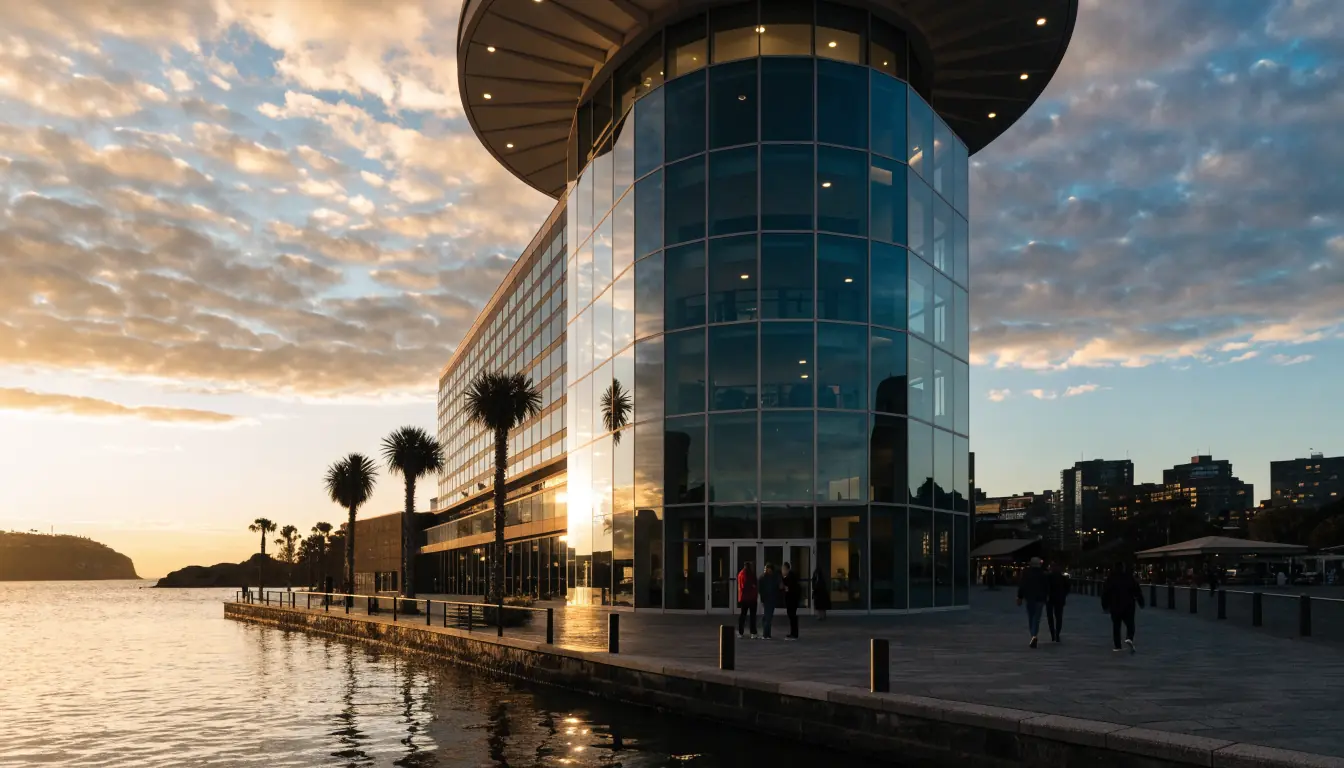
Cuisine variety is the real selling point. Most properties run at least one fine-dining room — usually seafood or modern Australian, leaning on Queensland’s own coastline for the catch — alongside an Asian-focused kitchen, since that’s where a lot of the tourist and local demand sits. Then there’s usually a grill or steakhouse option for people who just want a proper cut of meat without theatrics.
What I noticed, comparing menus across a few trips, is that pricing and portion sizes aren’t identical between properties — they can’t be, since kitchens are run independently and chefs change. So take any specific dish recommendation with a grain of salt if it’s more than a season old. Menus rotate.
The rooftop factor
If a casino has a rooftop bar attached to its dining precinct, it tends to become the photo-op spot — city or river views, cocktails, a lighter food menu than the formal restaurants below. It’s worth treating as its own category rather than an extension of the steakhouse downstairs. The vibe is different: standing room, shared plates, sunset crowds. Don’t go expecting a quiet three-course meal up there.
A word on timing
Reservations matter more than people expect. Weekend nights at the better-known restaurants fill up, and walk-ins get pushed to the bar-and-lounge side of the building instead. If you’ve got a specific place in mind, call ahead rather than assume a casino restaurant works like a pub.
One thing that has nothing to do with the food: none of this dining experience connects to online play. Poker, blackjack, and any casino-style betting through an app or website stays illegal under federal law regardless of how good the seafood is downstairs. The restaurant guide ends at the restaurant door — what happens on the gaming floor, or doesn’t happen on your phone, is governed by entirely different rules.
Food Courts and Pool Areas
Not every visit calls for a sit-down meal with a wine list. Sometimes you just want a quick feed between sessions on the pokies, and that’s where the food court earns its keep. Think grab-and-go counters, quick noodle bowls, burgers, coffee that doesn’t require a reservation. You’re in and out in the time it takes to cash in a few chips.
I’ve used these courts mainly as a reset point — step away from a table, eat standing up if I have to, get back to it with a clear head. That’s the whole appeal. No dress code, no waiting for a table to turn over, no menu you need ten minutes to get through.
Pool areas work on a similar logic but for a different kind of downtime. A lounge chair, a swim, somewhere to sit that isn’t a gaming floor or a hotel room. If you’re staying on-site, checking whether pool access comes with your room or gets charged separately is worth doing before you assume either way.
None of this replaces a proper meal — for that you’re better off in the restaurant or buffet sections of the same resort. Food courts and pools exist for the in-between moments: the hour before check-in, the gap between a poker session and dinner, the afternoon you just want sun instead of a slot screen.
Worth remembering none of this touches online play. There’s no domestically licensed real-money online casino option in Australia, poolside or otherwise — whatever you’re doing here, it’s on the premises.
Legal Landscape and Player Protection in Australian Casinos
Everything above — the poker rooms, the buffets, the valet parking — sits inside a physical building with a state gaming licence on the wall somewhere near reception. That’s worth separating out, because a lot of people land on pages like this one expecting some tidy national body that "approves" casinos, and there isn’t one.
There’s no single overarching statute or single overarching gambling authority regulating gambling in Australia. Regulation happens at both state/territory and federal levels, which is why a Queensland casino floor answers to different rules than what you’d see written up for a venue in another state. The physical casino you walk into is a state-licensed operation, full stop.
Where the federal layer comes in is online. The Australian Communications and Media Authority (ACMA) is the federal regulator that enforces the Interactive Gambling Act 2001. That’s a separate conversation from anything on the casino floor — it governs what can and can’t be offered to Australians over the internet, not what happens at a table in Brisbane or on the Gold Coast.
I bring this up here because I’ve seen people confuse "the casino has a licence" with "therefore anything with the casino’s name on it online is fine too." Those are two different worlds. The land-based venue and its poker room, its restaurants, its hotel rooms — all of that operates under state gaming rules. What ACMA polices is the online side, and that’s a different regulatory question entirely.
What this means practically
- The venue you’re reading about in the other sections holds a state gaming licence — that’s the authority behind the pokies floor, the tables, the tournaments.
- Nothing at the federal level “certifies” the hotel, the buffet, or the spa. Those are ordinary business licences, not gambling licences.
- If you’re 18 or under, none of this applies to you anyway — minimum legal gambling age in Australia is 18, and that’s not a suggestion.
Responsible gambling, briefly
Every section above assumes you’re there to have a decent night — a meal, a room, a few hands of poker. Worth saying plainly: if it stops being that and starts being something you’re chasing, there’s a real service for it. 1800 858 858 connects you to support, and GamblingHelpOnline.org.au has more if you want to read before you call.
I’m not going to pretend a casino guide is the place for a lecture. But the regulatory backdrop matters for one simple reason: it tells you who’s actually accountable for what you experience inside the building — and who isn’t accountable for anything happening outside it.
What law governs online gambling in Australia?
The primary Commonwealth law is the Interactive Gambling Act 2001 (IGA), enforced by the Australian Communications and Media Authority (ACMA), with additional regulation handled at the state and territory level.
Are crypto casinos legal in Australia in 2026?
It is illegal to offer online casino gambling domestically and you cannot obtain a local licence for it, but it is not illegal for you as an individual to play at offshore-licensed online casinos, as the law targets operators rather than players.
What does RTP mean in pokies?
RTP stands for Return to Player and represents the percentage of wagered money a machine pays back over time, giving you an idea of expected returns.
What should a valid complaint include?
Your complaint should include your account details, the date and time of the issue, a clear description of what happened, and any supporting evidence such as screenshots or transaction references.